The Windows 11 experience

With the current heat wave in Mexico City, it’s much to hot to do anything except laying in bed. For that reason, I’ve been seriously getting back into gaming for the last few weeks. I have the wonderful Steam Deck, but at some point, it becomes pretty limiting when it’s your only device. Therefore, I decided to buy the first Windows Laptop since I switched to Mac … 5 years ago? And boy did things change.

My choice fell on the Asus ROG Strix G16, which looked like the ideal mixture of power (latest Core i9, Nvidia RTX 4070), portability, availability (“luxury” electronics tend to be hard to get in Mexico) and price (“luxury” electronics tend to also be a lot more expensive in Mexico then Europe or the US). I decided to get a 32 GB DDR5 5600MHz RAM kit and a faster NVMe (Samsung Pro 990) at the same time, since the build-in 16GB 4800MHz was a little on the small and slow side, and according to all reviews, the stock NVMe disk the device came with was dog-slow.

Of course, the new disk would mean a reinstall of Windows, but how hard could that be? Considering I spent half of my childhood and many early years of adulthood re-installing various Windows versions on a more or less monthly basis! But it turns out I missed a few critical factors:

  1. Windows doesn’t seem to care about standard chipset/driver support any more?
  2. General enshittification of Windows and forcing people to use their cloud BS
  3. And UEFI swept in to make everything vastly more complicated better

So I inserted the new Samsung disk, popped the stock drive in the second NVMe slot, used the Windows installation media creation tool to prepare an USB stick, selected the USB stick in the laptop’s fancy boot manager and was presented with the standard Windows installer. So far, the process seemed to be the same as every single Windows install I did in the last 20 years.

But behold, the drive select list was totally empty, so I couldn’t select an installation disk. Not only didn’t it show my speedy new Samsung disk, it also didn’t detect the stock disk. I was stumped.

After a bit of googling, it turned out that since Intel processor generation 11 (we’re now at 13, I think), you need to load an additional driver called “Intel® Rapid Storage Technology Driver” at the Windows install drive selection screen, since apparently Windows doesn’t support Intel’s new standard drive interface for NVMe (called VMD). After a bit of confusion (the Asus driver page shows only one entry under the “Chipset Driver” section, you need to click the tiny “show all” for it to actually show you the important stuff), I downloaded the driver.

Next problem – the driver was packed in a self extracting archive. Means you need a running Windows installation to install Windows… great!! Good thing I didn’t immediately formatted the old drive! After copying the driver folder to the installation USB stick and loading it at the drive selection prompt, suddenly both drives were detected by Windows. Day saved?

Not so quick. After copying the necessary files and rebooting a few times, the Windows installation forces you to sign in with your Microsoft Account, and for that, you need internet connectivity… but… Windows detected neither my wired nor my wireless NICs. So no internet during installation.

Go back to Jail, do not collect 200$?

Nope. It’s Windows, so it’s simple, user friendly and intuitive. You just need to endlessly scroll through Microsofts support forums, and you’ll find out you need to press Shift+F10 at the point in the Installation where it’s asking you to connect to WiFi. That opens a command prompt where you have to type (obviously) “OOBE\BYPASSNRO”. Then you have to answer all the questions you answered before again (because you’re a bad boy/girl that doesn’t want to give Microsoft all your data!), but now you are greeted by a friendly “I don’t have Internet” option at the WiFi screen. Heureka!

While I was able to install windows, and even boot into it using the old installation’s boot manager, the colorful UEFI boot manager didn’t offer my new drive as a boot option. I was stumped again.

After more googling (and this was surprisingly hard to find), I figured out the procedure. Super easy, my grandpa could do it (haha). Apparently you need a dedicated EFI partition so that UEFI will be able to boot from your disk. And this partition, necessary to boot Windows, is not created automatically becase… reasons? But here’s how to fix it.

  1. In Windows (this would probably also be possible in the recovery console if you’re unable to boot into your installation), open CMD as Administrator (the latter one is pretty important, if you forget it you’ll get cryptic error messages)
  2. Run “diskpart
  3. Select your disk “select disk X“, with X being your new Windows drive’s number. You can list existing disk numbers using “list disk“, but this is pretty confusing, since it just shows disk numbers, but not e.g. vendor. If you want to make sure you’re not modifying the wrong disk, start the Windows “Disk Management” utility, it will show the disk number as well as drive letter, vendor (under properties) etc. There’s probably a way to show this in diskpart, but this worked for me.
  4. Select the partition Windows is on by running “select partition X“, with X being the partition number. You can show partition numbers using “list partition“. Normally after a fresh install, there will be only one.
  5. We now need to make space for the EFI partition by running “shrink desired=200“.
  6. When the disk is resized, we can create the new partition by running “create partition efi size=200“.
  7. Run “select disk X” again, with the number of your new partition. Format it with Fat32 by running “format quick fs=fat32” (before formatting, make really sure you’ve got the right partition selected! Otherwise, you’re wiping your fresh Windows install!)
  8. Now we need to assign a drive letter to the new partition by running “assign letter=z“. The letter doesn’t really matter, we’ll never see it again after finishing this procedure.
  9. Type “exit” to quick diskpart. Go back to your Administrator CMD (make sure again it’s actually running as Administrator!)
  10. In the Administrator CMD, run the following command: “bcdboot C:\Windows /s Y:“. If you’re getting a message that files couldn’t be copied, you’re most likely not running the command as Administrator

Restart, and UEFI should now be able to detect your disk as bootable. At this point, you can format the old drive. You now have a full, self-sustaining Windows installation.

Wow.

Is that really the intended end user experience after changing a hard disk? Or are you now just supposed to throw away your device when the drive breaks? I mean having an Intel processor and an NVMe drive has been hardly uncommon in the last… how many years? What happened to Windows? This feels more like installing Linux in ’96 then installing a modern Windows. Well probably the money that used to flow into providing out-of-the-box driver support and simplifying installation went into automatically installing Candy Crush in your Start menu, Ads for OneDrive and into failed AI assistants that nobody asked for.
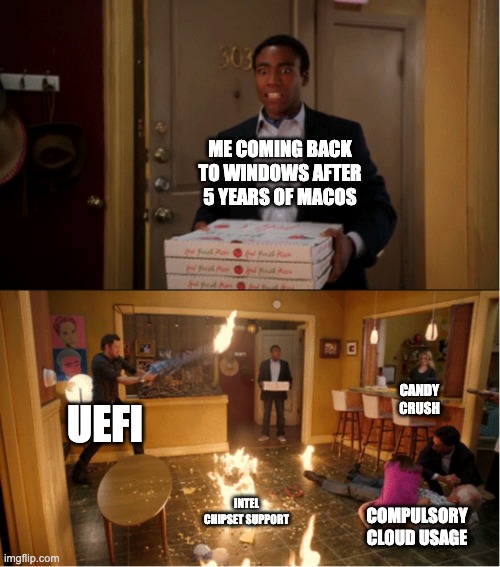
I’m really hoping gameportingtoolkit or proton are taking off and we can finally just forget about the horrible mess that is Windows. Can’t be that long any more until Windows is irrelevant in the end user market – certainly Microsoft doesn’t seem to care any more.

Just as a comparison – the whole process for installing MacOS on a new drive is pressing the button CMD+Option+R during startup, select the drive and wait for the installation to finish.

But in the end, at least the upgrade was worth it. The new RAM sticks are running at the full 5600MHz (after a BIOS UEFI update), and running some benchmarks on the upgraded vs. stock drive shows almost twice the read and write performance (7000mb/s vs 3500mb/s).

Update (15.07.2023)

After jumping through the hoops to install Windows 11, it now starts nagging to “finish the installation”. Yet another dark pattern (even though compared to the rest, it’s pretty tame) – you have the choice between signing in and “Remind me again in 3 days”. I really hate it (and I’m sure I’m not alone) if I’m forced to consent to something that is clearly not my intention.

But there’s yet another workaround (at least for now).

It was on display in the bottom of a locked filing cabinet stuck in a disused lavatory with a sign on the door saying ‘Beware of the Leopard.

Douglas Adams

The solution is as usual obvious, easy to find and only has the best in mind for the user.

No just kidding, it’s Windows 11.

Go to “Setting”, there search for “Notifications”. In “Notifications” scroll down to “Additional settings”. Open “Additional settings” and untick all the boxes. Easy as that.
Relaxing on the Beach in Zihuatanejo, Mexico

This trip was a bit different from my usual fare, since I had my parents visiting. Since this was their first time outside of Europe, the plan was finding something that looked proper exotic (i.e. with warm weather, a nice beach and palm trees), but that was also easy and quick to reach from Mexico City.

Asking my Mexican colleagues, the default answer was “go to Cancun”, but as usual, I wasn’t able to bring myself to book some soulless American chain hotel on a beach surrounded by more concrete resorts. So I was looking for something a bit off the beaten track, but something that was still family friendly, and which would be compatible with my 80+ years old father.

I wasn’t to keen to go to the carribean, which has a lot of Sargassum Seaweed washed up at the beaches this time of the year making it impossible or at least unappealing to swim (also, I wasn’t really looking forward to experiencing the carribean temperatures so soon after my last trip). My Spanish teacher soon came to the rescue and proposed to visit Zihuatanejo on the pacific coast of Mexico.

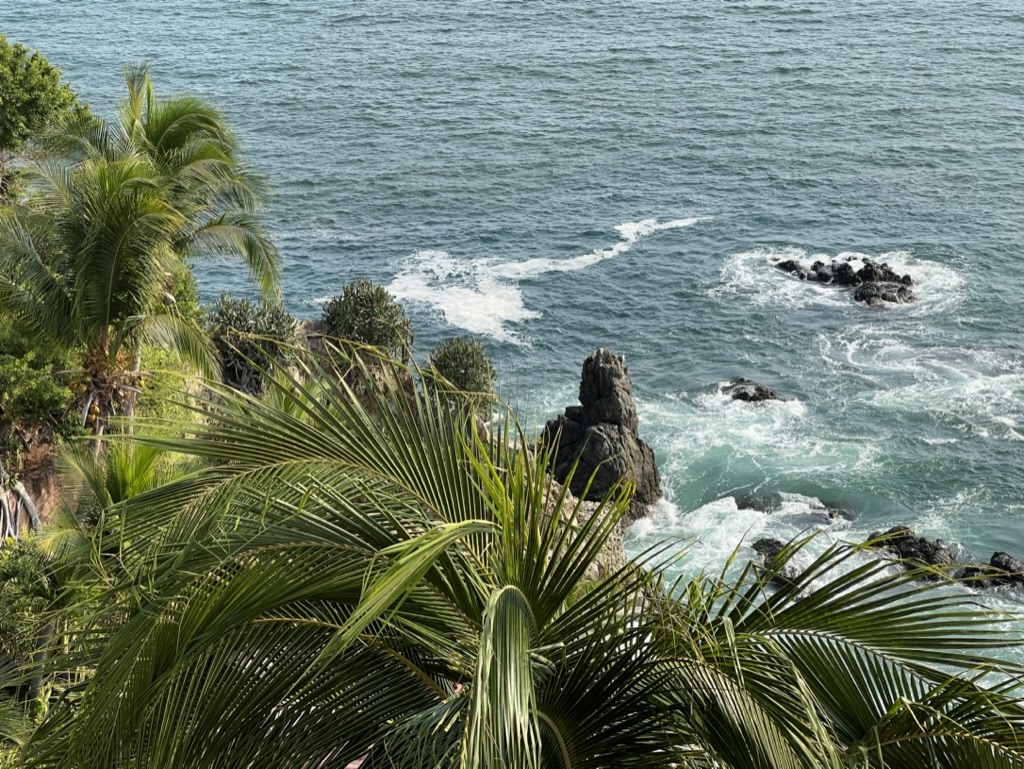
The stunning view from my hotel room’s balcony.

The town is only 300km (as the bird flies) from Mexico City in the state of Guerrero. And while it’s possible to go there by car, I was advised by my colleague that the land route is not really safe, especially at night. There’s also a Bus, but from the little research I did, it seems to be quite slow (10h+ drive per direction). The main problem seems to be that there’s no direct highway, and with all the necessary detours the actual route is more like 700km. But luckily, Zihuatanejo has a tiny Airport located about 20 min by taxi from the City Center. The Airport is well served by 3 Aeromexico flights from MEX per day. The flight from Mexico City takes about 40 minutes.

Since I wanted my parents to experience something special, I booked a small luxury hotel called “La Casa Que Canta” (translated “The House that Sings”). Normally, I’m of the opinion that 5-star hotels are not really worth the extra money – they usually just provide amenities that I do not tend to use, and most of the times the rooms are indistinguishable from their 4-star counter parts. But this hotel turned out to be by far the most beautiful and remarkable hotel that I’ve ever stayed in. From the check-in experience, to the actual rooms, the large, terrace-like balconies that each room featured to the extreme attention to detail, it was a once-in-a-lifetime experience.

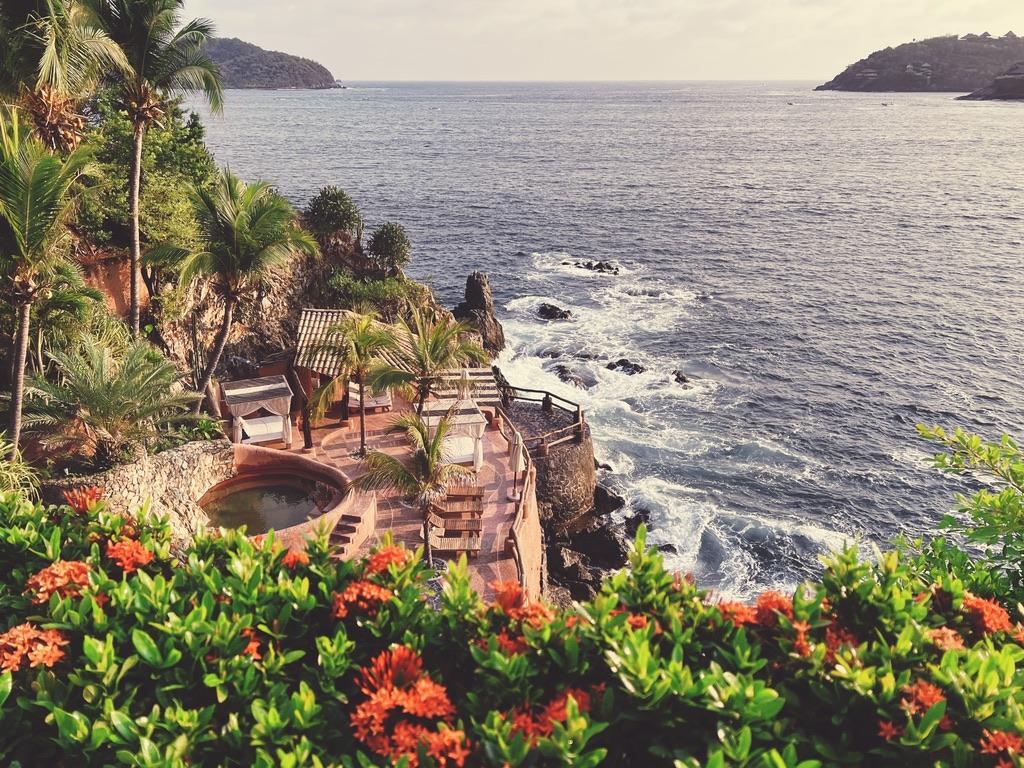
View over the hotel’s saltwater pool.

The hotel’s restaurant (called Mar y Cielo) was excellent, but a bit pricey for the dinner. The breakfast on the other hand was also good, but reasonably priced (we never went above 20€ per person per meal). We tried a few other dinner options nearby, but event hough they were a bit cheaper, none of them reached the quality of the hotel restaurant.

With the hotel being so great, and temperatures being about 35°C (95°F), we seldomly left the premises. Most of the time there we spent on our balconies (which came with sunbeds, an outdoor sofa, a table with chairs as well as complementary cold beers) and enjoyed the view over Zihuatanejo bay. Now and then, we went to one of the two pools – a conventional, large infinity pools and, our clear favorite, a seawater pool.

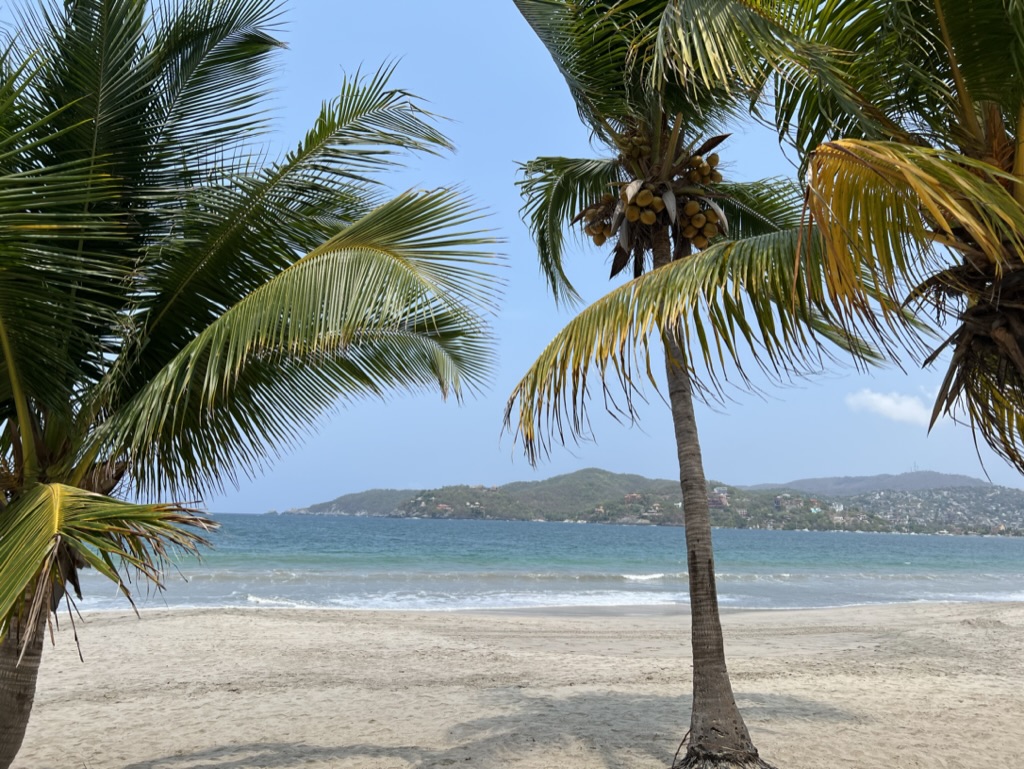
The only times we left the hotel (besides for food) was to visit the beach, which is located less than 100 meters from the hotel entrance. The beach was almost empty all days we were there. It was generally possible to swim, but on the last days, the waves were too strong to make that an appealing proposition. We were also warned of strong currents in the bay, so it’s probably better to stick to the pool. Other than that, the water is warm, the beach is sandy and clean, and it has lots of palm trees for that exotic holiday feeling.

“Playa la Ropa” next to our hotel.

And after a few days of doing… pretty much nothing, our mini vacation in paradise was already over. While a sudden activity of Mexico City’s resident Volcano Popocatepetl threatened us with having to involuntarily extend our time at the pool for a few more days, in the end we made it back to the big city with only a few minutes of delay.

Visiting Merida and Chichén Itzá

This year, 1st May was a Monday, which made this the last long weekend until much later in the year. Therefore, I didn’t want to waste the opportunity to travel a bit more without having to use my precious few vacation days. While so far I’ve mostly been traveling outside of Mexico, this time I was looking forward to explore my current host country a bit more.

Having recently watched a few documentaries debunking “Acient Aliens”, I became fascinated by the pyramids of Chichén Itzá on the Yucatan peninsula. Having a destination in mind, the question now became from where to travel to the pyramids (they are in the middle of the jungle after all). Considering that this was going to be yet another weekend trip, I needed something easy and quick to reach with an airport nearby. That basically narrowed it down to either Cancun or Merida. Since I’m not really into gigantic concrete hotel complexes (or beaches in general), I decided to make Merida my base of operations.

So, on Friday afternoon after work, I made my way to the airport. Easier said then done – everyone familiar with Friday afternoon traffic in Mexico City will ensure you that this about the worst time you can chose to drive across the city. Never the less, about 1½ hours later, I finally arrived at Terminal 2. To compare, on a normal day, the ride takes less then 40 minutes… Never the less, after a bit of confusion – for some reason, at MEX, gates for domestic flights are only announced when it’s time to board – I was finally on the way to Yucatan.

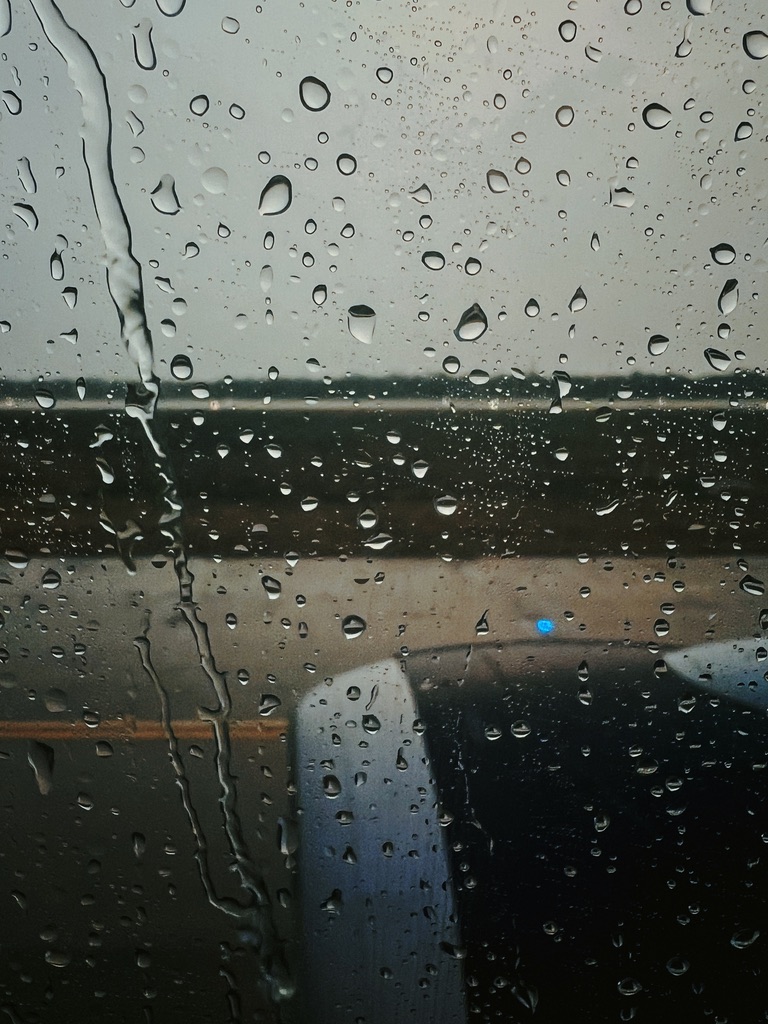
Arriving in rainy Merida.

Arriving in Yucatan was not very comfortable, since we landed during a heavy, tropical thunderstorm. Leaving the plane, one thing became immediately obvious: This trip was going to be hot. Even seeing Apple weather forecasting 40°C (104°F) with 80% humidity I wasn’t too worried, after all I had survived summer temperatures in Hong Kong a few years back. But this was even worse. By the time I got into a cab (which took about 30 min, no Uber available at Merida airport), my t-shirt was soaked in sweat from just standing around and waiting. About 25 min later, the taxi arrived at my hotel close to Merida’s Centro Historico.

For Saturday, I didn’t have many plans – relax, find a Café somewhere, explore the city a bit. It cost me a lot of mental effort to leave the cool, air conditioned hotel room, since I was able to feel the incredible heat radiating from the room’s windows. Did I mention I don’t do well in high temperatures? And yes, leaving the hotel, the humid heat hit me like a brick. Never the less, I pulled myself together and went into the direction of the city center, which was thankfully only 15 minutes walk away.

A lovely view from a lovely Starbucks with lovely AC.

Arriving in the city center, the sweat was dripping from my chin. Thank god, I almost immediately found a Starbucks which I wouldn’t leave for the next 2 hours. The Starbucks was located in a beautiful, european-style building, had relaxing sofas, good wifi, a view and most importantly air conditioning. At this point, I was more or less thinking that I’ll just wait out the day there until it’s time to get back to the Hotel.

But I was lucky, about 2 hours later, another thunderstorm hailed the arrival of what the locals called a “cold weather front” (seldom have I been so happy to hear those words!). After weathering the storm drinking iced chai latte, I left into a completely changed environment – the “cold front” turned out to be lovely 30°C (85°F) with blue skies and sunshine! And even better, this weather was forecasted to last until my departure on Monday!

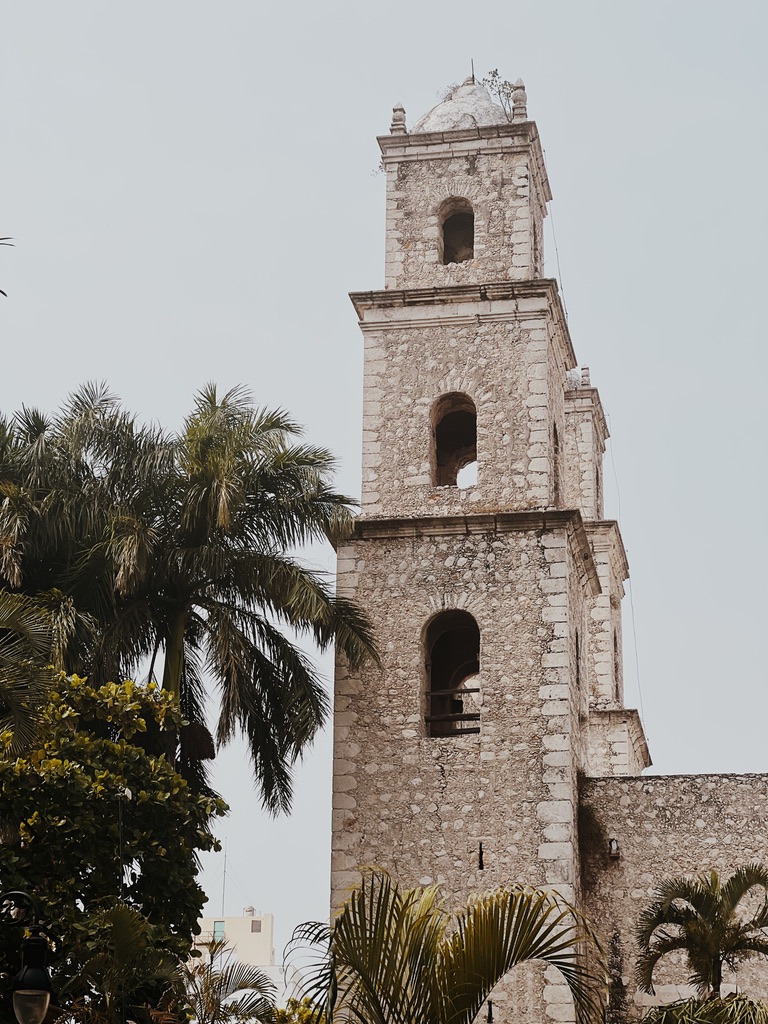
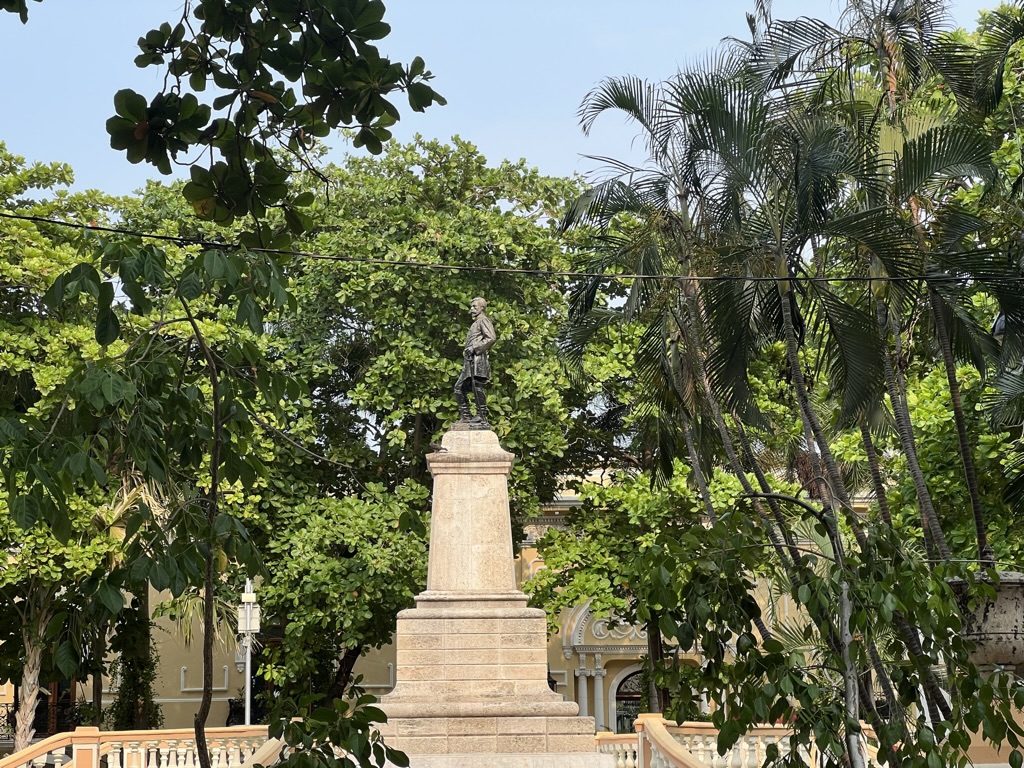
So finally, I was able to explore the city. And what a city it is! I haven’t seen that many cities in Mexico yet, but so far Merida is without question my favorite. Beautiful colonial buildings, cool churches, a relaxed park in the city center, some busy shopping streets – all I’m usually looking for in a city in Latin America.

Merida during a cold front…

I didn’t take too many photos since there wasn’t really one place that stood out, it was more the ensemble and vibe of the city that I really liked. It also was a lot less intimidating than Mexico City, and it felt very safe just walking around the many small shopping streets.

Your usual Mexican shopping street. Merida is statistically one of the safest towns in Mexico.

After stocking up on snacks and some good Yucatan Cervezas, I went back to the hotel. After a rocky start, it turned out to be a successful day of exploring after all.

The next day (Sunday), I was planning on visiting the pyramids of Chichén Itzá. Getting to the pyramids from Merida is really easy, comfortable and relatively cheap. Don’t book a tour costing you hundreds of USD, there’s a bus (from the best Mexican bus company ADO) departing from the bus terminal in Merida’s Centro Historico and that will bring you directly to the gates of the archeological complex in Chichén Itzá. You can chose between different departure times (I left at 9:30am), but as far as I could see, there’s only one return, at 4:30pm (but the ADO website was a bit buggy, so do your own research). You can book tickets online for about 500$MXN (about 25$US) both ways, and the booking includes a seat reservations. The busses are pretty new, comfortable and even have a toilet on board. The drive takes about 2 – 2½ hours, depending on traffic. One piece of advice: Take some noise canceling headphones, since watching a loud action movie in Spanish is mandatory on the bus 🙂

As mentioned earlier, the Bus stops directly in front of the entry to the archeological zone. Remember where you stopped, since the Bus will depart from the same spot (if you’re unsure, it says “ADO” in big letters on the pavement, and there’s also someone from the company that you can ask for help).

Entry to the archeological zone is about 640$MXN (32$US) for foreigners. If you’re Mexican (a national, or like me, temporary resident), you get free entrance on Sundays. To grab your free ticket, queue at the tent in front of the entry building where it says “Mexicanos” and show them your ID.

Note that there’s a lot of websites selling you “skip the line” tickets online for a hefty premium. Though they are made to look official, none of them are. And even if you are lucky and do get a ticket from them, it’s not worth it. I was there on a Sunday, at prime time, but even then waiting times at the ticket booths were less than 10 minutes. Don’t buy online, don’t support scams. You’ll be fine just buying tickets when you arrive.

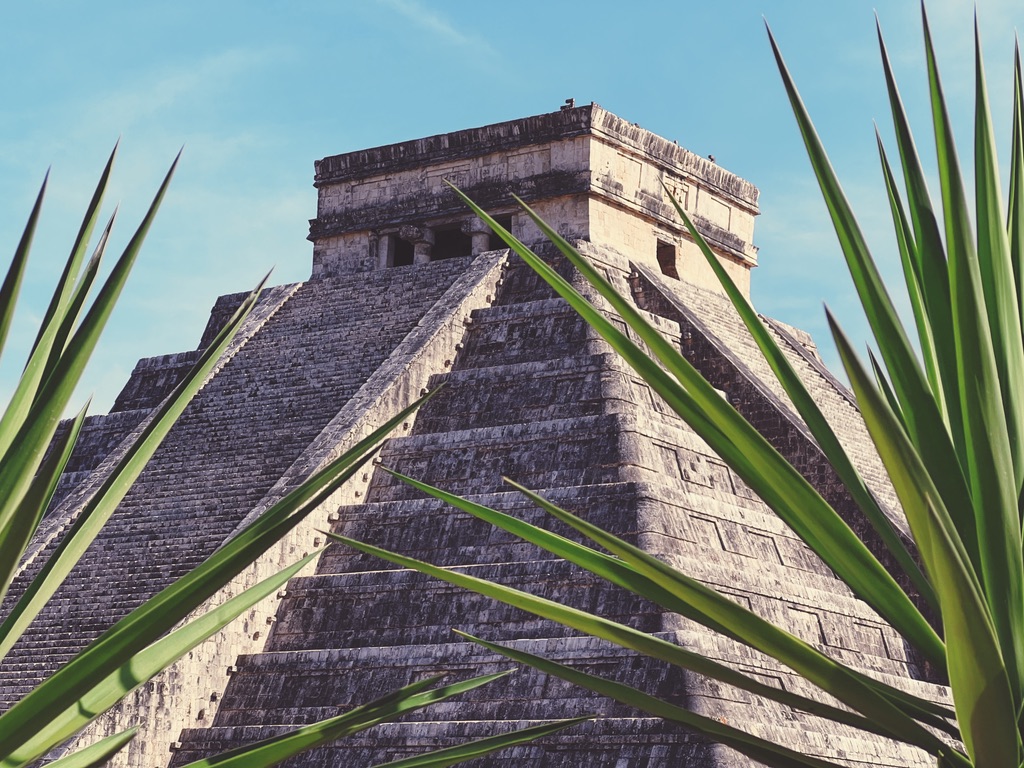
The beautiful main pyramid of Chichén Itzá, masterfully photographed so you can’t see the hordes of tourists surrounding it.

The main pyramid (called Temple of Kukulcán) is small when compared to the pyramids of Teotihuacán near Mexico City, but while those are more or less just enormous piles of stone, the Mayan pyramids here are masterfully crafted, with beautiful reliefs, figurines of snakes etc. I was really impressed. Just be aware that you will share the space with thousands of tourists and sellers trying to get you to buy kitschy souvenirs (but if you’re in the market for a huge Alien from “Alien vs. Predator” made out of obsidian, this is your chance!). The large amount of tourists is very likely the result of the whole “free entrance for Mexicans” thing on Sunday, so you might want to chose another day.

One interesting thing about the main pyramid is that it is build on top of other, older pyramids. And with “on top”, I don’t mean on the rubble of the old pyramids, but actually over the old pyramids. Scientists were able to climb into the old pyramid below and find an throne in an old chamber. That’s really some Indian Jones stuff if you ask me! I really recommend on reading up on the area before you go (or grab one of the many official guides), it will make your stay so much better!

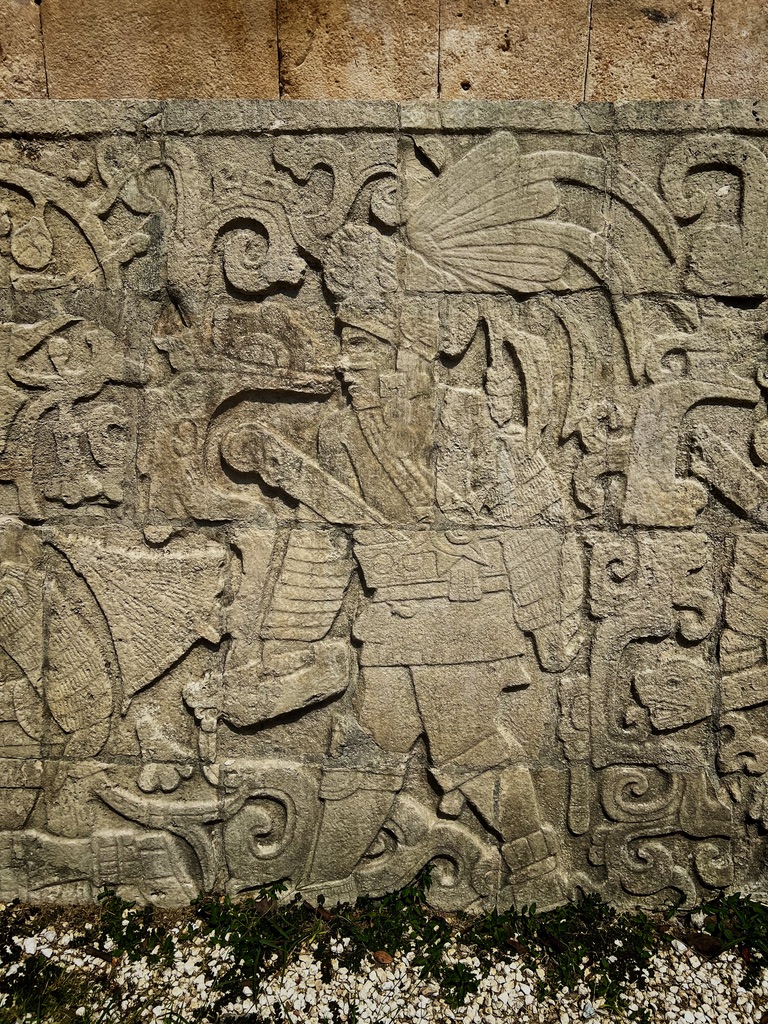
Reliefs on the walls of the Mayan ball game court.

Next to the pyramid is a gigantic ball game court. The Mayans (similar to other pre-columbian Latin American cultures) used to play a ball game as part of their religious ceremonies. The players were only allowed to touch the ball using their elbows, hips, knees etc, but not feet or hands. The teams are trying to get the ball trough a small vertical ring high up the wall to score points. So it’s in a sense similar to soccer, just with less feet. Ah yes, and another minor difference is that the losing team used to be sacrificed to the gods. I’m pretty sure that made for some intense games!

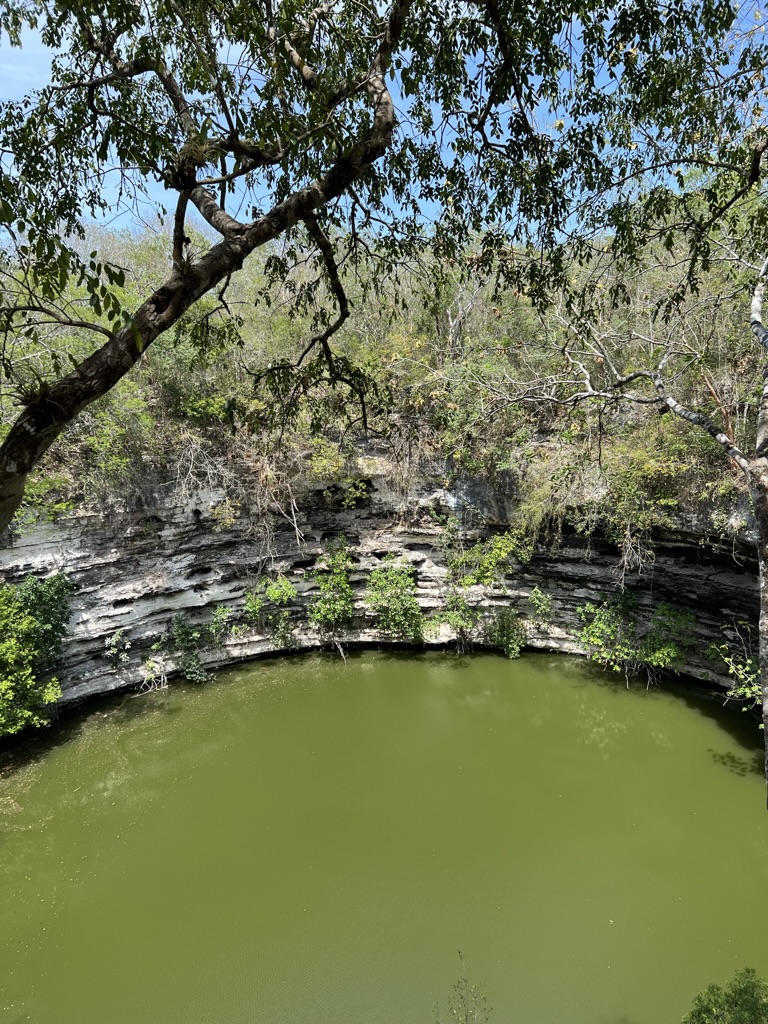
Cenote (water hole) Sagrado, next to the ruins.

Besides the ruins, there’s two “Cenotes”, water holes, in the archeological park. It’s thought that they played an important role in the religious life of the inhabitants of Chichén Itzá, and up to this day they find gold and the skeletal remains of children, most likely sacrificed to the gods in these. It’s also thought that the main pyramid is built on top of a third Cenote (which you obviously can’t see, since there’s a mayan pyramid in the way). Besides the religious importance, the area around the pyramids is pretty dry, so having access to a reliable water source must have been instrumental in the development of the city … even though I sincerely hope the sacrificed in one and drank from another Cenote!

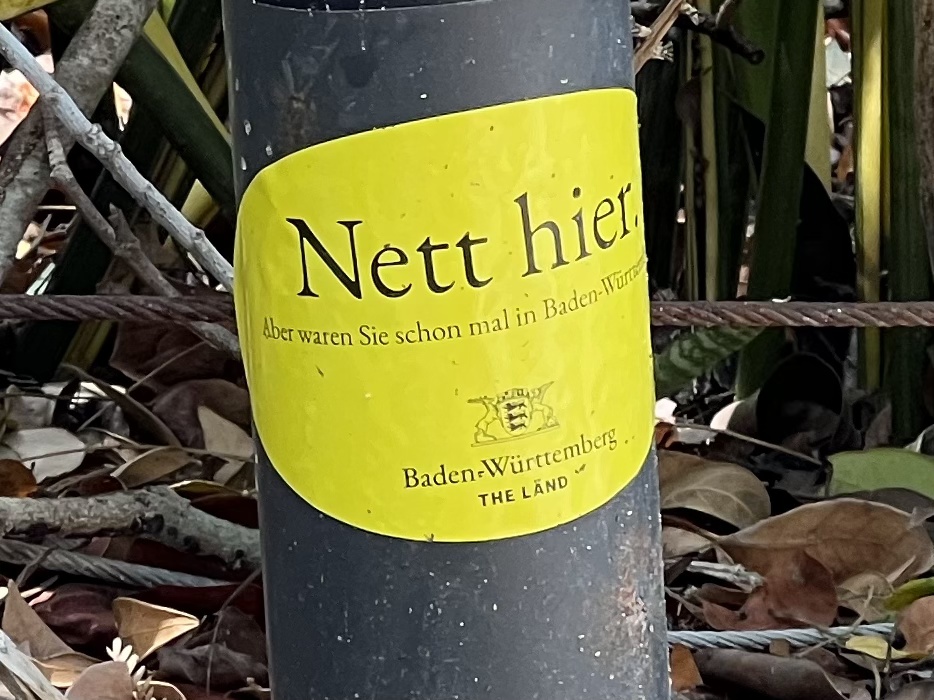
German humor.

As usual, I was very happy seeing one of those yellow stickers pictured above. If you’re not German – they are kind of a running gag for traveling Germans (yes, we do have humor, kind of). Once you notice, you will see those little yellow stickers wherever there’s a wonder of the world, a beautiful sight, something extraordinary. And it’s telling you that yes, it’s nice here, but you should really consider visiting the (admittedly pretty obscure) southern German province of Baden-Württemberg. If you want to be part of the German traveling family, you can order those stickers free of charge from the government of the state of Baden-Württemberg.

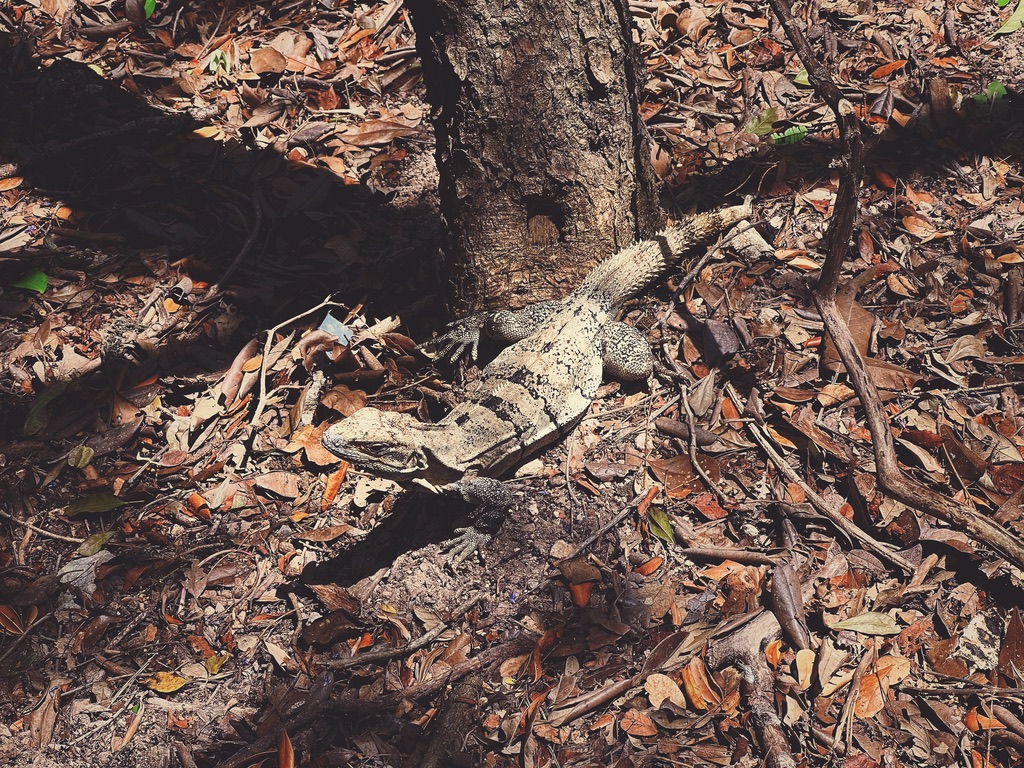
I was able to see all the sights of the park in about 2 hours, which left me with another 2 hours to kill before the bus arrived. So I looked for a somewhat quiet space in the shade and just enjoyed the view, the good weather and watching people from all over the world strolling through the woods. And to my surprise, once it became a bit quieter, I was even able to see some pretty large lizards skittering around.

When you’re stealthy, you might be able to see some lizards running through the woods and between the hot stones of the Mayan ruins.

Finally, I went back to the ADO bus stop, and after some confusion (note that Autobús Oriente is not the same as ADO , short for Autobus de Oriente, when in doubt ask the ticket vendor at the bus station), I was on my way back to Merida. On the way, I was able to see the gigantic construction site of the “Tren Maya”, the new train that is supposed to circle Yucatan. While it is pretty controversial in Mexico (destruction of nature, indigenous people are unhappy, cost is snowballing etc.), I’m really looking forward to it being operational and being able to get to all the sights on Yucatan quickly and comfortable.

When I came back to Merida, it was already dark, and I was very tired from a day of exploring. I grabbed some fast food from the bus stop, and about 30 min later I was back in the hotel. The next day, I flew back to “cold” (28°C, 80°F) Mexico City.

I feel that I really need to explore Yucatan a bit more, although for sure not again in the summer. While I always just pictured it as tourist trap, overcrowded beaches and chain resorts, it turned out to be much more then I expected with regards to culture, history and food.

La Semana Santa in Costa Rica (Part 2)

Continued from Part 1.

For day 3, Saturday, I had booked a combined Coffee, Volcano and Waterfall tour. I normally hate guided tours, especially the one-day bus tour variant. But since I had little time and getting around on my own wasn’t too easy, I went for it.

The coffee farm visit was not really worth it, it was mostly a tourist thing where they tried to sell us overpriced coffee. The farm itself didn’t look like anything was actually grown there, and I suspect all the machines were only there as decoration. Compared to the coffee tour I took a few years back in Colombia, where I went to an actual coffee farm deep in the mounts where we were shown around by an actual coffee farmer, this one I would not recommend.

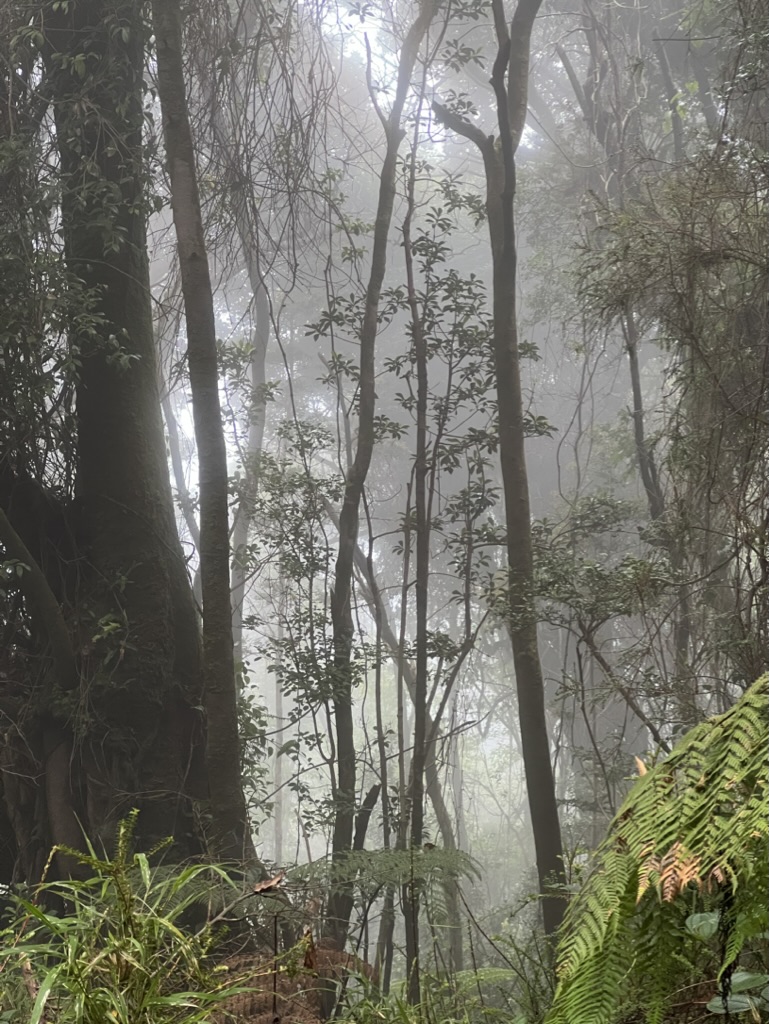
The next destination was the Poas Volcano, which is surrounded by cloud forests. Again the site was very crowded with tourists, but due to the mist and the clouds, you were able to at least sometimes imagine like you were alone…

Mysterious cloud forests around Poas Volcano.

The volcano itself was unspectacular, since the cloud cover was so dense that day, you couldn’t actually see the crater. You were just looking into the mist.

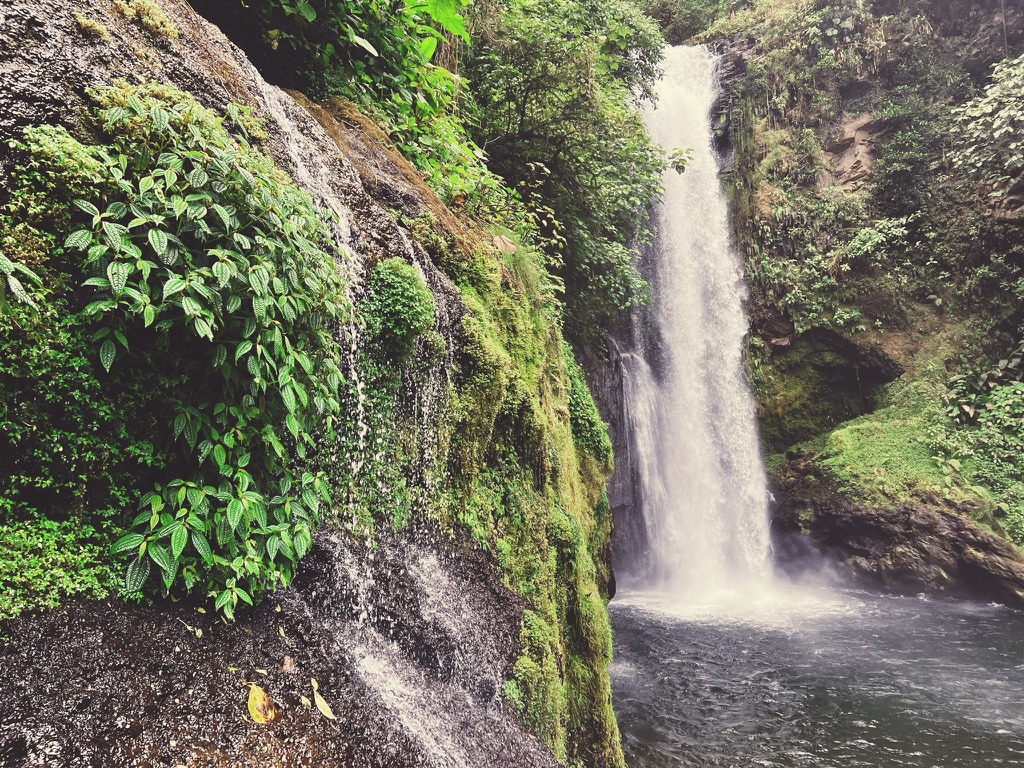
The last station of the tour was La Paz Waterfall Gardens. While the place was again pretty crowded, it for sure was the highlight of the tour. The gardens, besides multiple waterfalls, contain a small zoo with Leopards, an aviary as well as a butterfly garden. Also, everywhere in the park, we were able to see colibris very close up.

One of the many awesome waterfalls in the waterfall gardens.

The waterfalls really were remarkable. Just be aware that you will be climbing a lot of stairs while visiting them.

After ferrying us to yet another souvenir shop (“you should buy some, they have really good prices!!”, yeah of course), we were dropped off at the hotel late in the evening. This time not McDonalds, thank god, since lunch was included in the tour.

On Sunday, my last full day in San Jose, I joined a free walking tour, together with some fellow travelers I met during the tour on Saturday. The guide was good, but truth said, there’s just not too much to see in San Jose. It’s small, there isn’t too much history and it has this “post modern dystopia” vibe that many city centers in latin america have. Never the less, it was fun to be with people, and we learned a lot about what it’s like living in a tiny country in central america.

After the tour, we all went for lunch in a small Colombian restaurant, where I had “Patacones” for the first time since visiting Colombia. For those that dom’t know, patacones are flat, fried plantains topped with meat or mushrooms and cheese. They are a staple food in south america, and they are awesome. It’s funny that when I was in Colombia, I was not a fan of the cuisine, but after leaving, I really crave patacones and arepas quite often.

After lunch I went to the national history museum, which is located in a former military fort right in the center of the city, and next to the new parlament building. The history itself wasn’t too interesting, it’s quite similar in all central american states: Spaniards, slavery, fight for independence, failed communist revolution, boom in 50th and 60th, decay since the 70th. Never the less, I found it remarkable that Costa Rica is one of the very few countries in the world that completely abolished their military. Until this day, they don’t have an Army or Navy, and still they are one of the safest countries in latin america. Go figure.

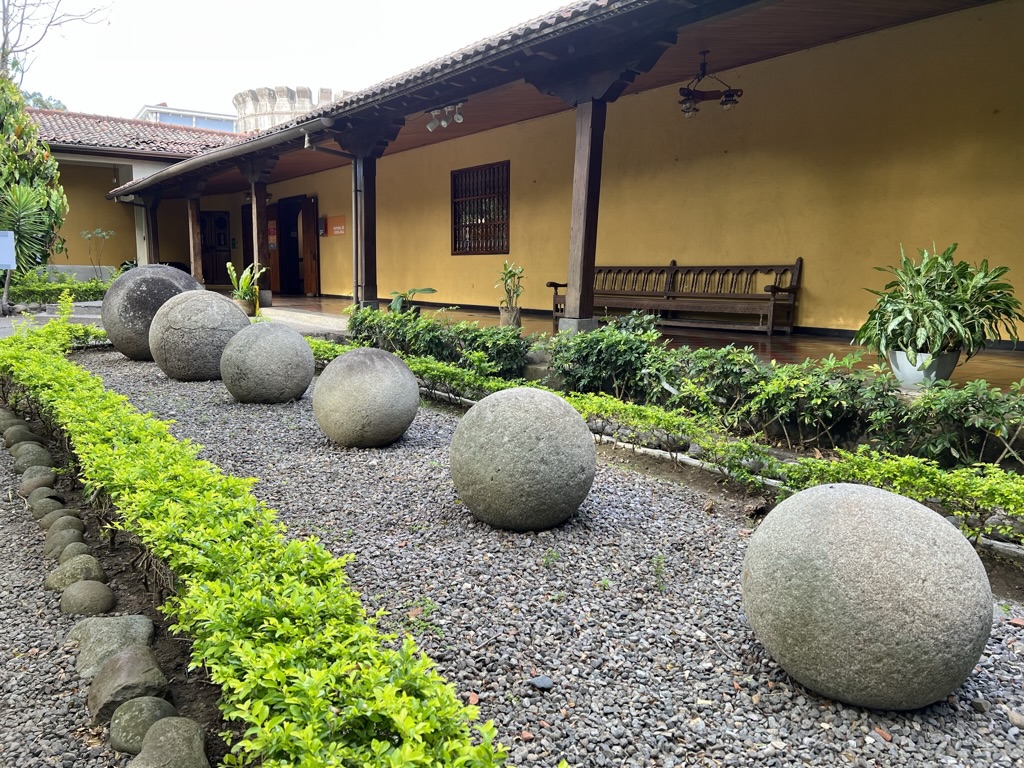
The museum of national history featured these spheres, which were created way back in pre-spanish time by the native inhabitants of the country. Up to this date, nobody really knows how they were shaped.

After the museum, I met up with another fellow traveler for a drink, before saying the final good bye and making my way back to the Hotel. Since the sun was shining for the first time in the trip, I decided to walk the 2 km. I even found an open shop to buy some “Cerveza Imperial”, the local Costa Rican beer.

The next day, I went to the airport early and flew back to Mexico City.

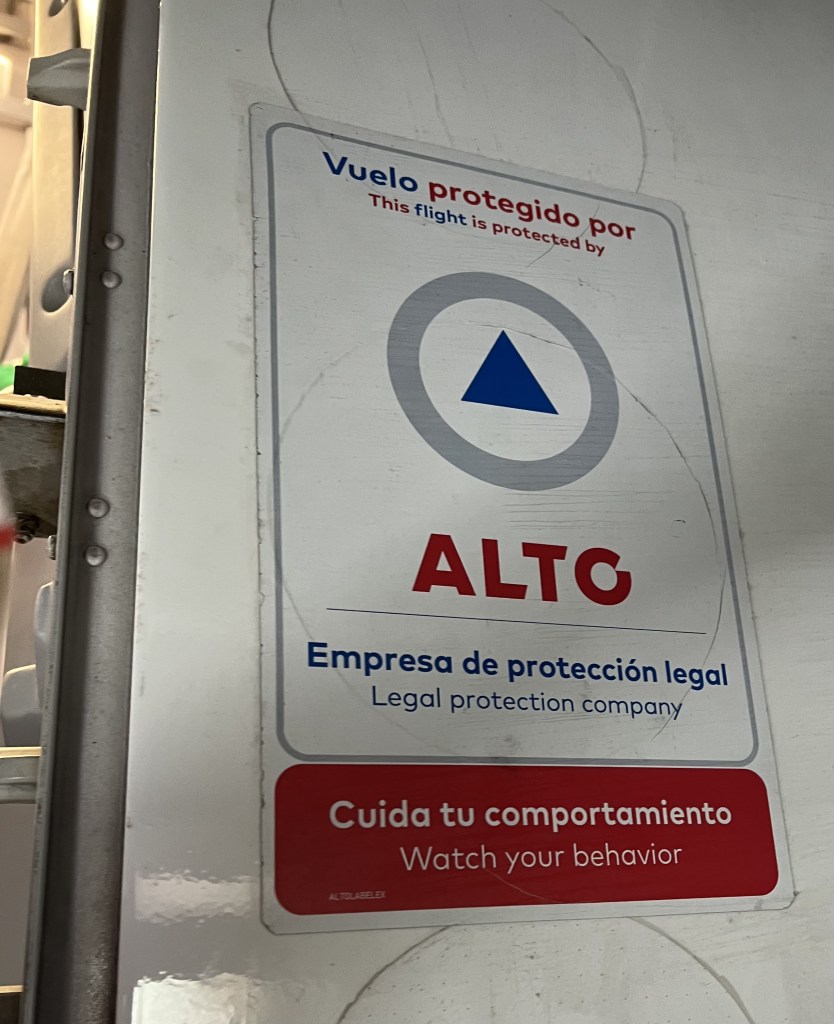
Ah Avianca, my most beloved cheap latin american airline. Don’t you immediately feel better knowing that the airline is protected by the best lawyers? Is there anything that says more “welcome on board” as a stern message telling you to watch it?

Was it worth it? In the end, I would say yes. Although the next time, I would not stay in San Jose, there’s just not much to see or do in the city. I would probably move directly to La Fortuna. Also, apparently there’s a really cheap bus from San Jose that brings you to a beach within 1-2 hours – sadly I learned this only after leaving. But all in all it was an interesting trip, I met some nice people and I had an excuse why work couldn’t reach me – I was on top of a volcano as well as in the jungle, after all.

La Semana Santa in Costa Rica (Part 1)

The “Semana Santa”, the Holy Week, is the main vacation period in Latin America. Especially over the easter holidays (in Mexico, that is Thursday, Good Friday, Saturday, Sunday), almost everything is closed and Mexico City becomes a ghost town. Well, as much as a City of over 20 million can be a ghost town.

Not wanting to waste the opportunity, I booked a cheap flight to San Jose, Costa Rica.

Arriving at the Airport SJO, the trip didn’t start well: The “Claro” eSIM I ordered in advanced wasn’t working. Even though my phone told me that 4G was available, I could barely send some WhatsApp messages. Using the airport WiFi, I tried to order an Uber. This again wasn’t working too well, my driver was making his rounds around the airport without actually picking me up and after 10 min canceled the tour. Later I learned that Uber is not allowed at the airport, and in contrast to Mexico City, this actually seems to be enforced by the local transport police. You can leave the airport and walk to the bus station a hundred meter further and grab an Uber there, but with me not having cell reception, this wasn’t really an option.

So being defeated by the law and local phone companies, I caved in and took an official taxi. This cost me about 25.000 colones, or about 40 $US. This is by far the most I’ve ever payed for airport transfer in latin america so far. Note that they sometimes try to overcharge (a fellow traveler reported that they asked him for 35k colones). In this case insist on the 25k since it is a fixed price to get to downtown San Jose. There’s also some really, and I mean really dodgy looking unofficial taxis trying to get your attention at the airport, but I think it should be clear that you should avoid those. It’s not worth the few bucks less.

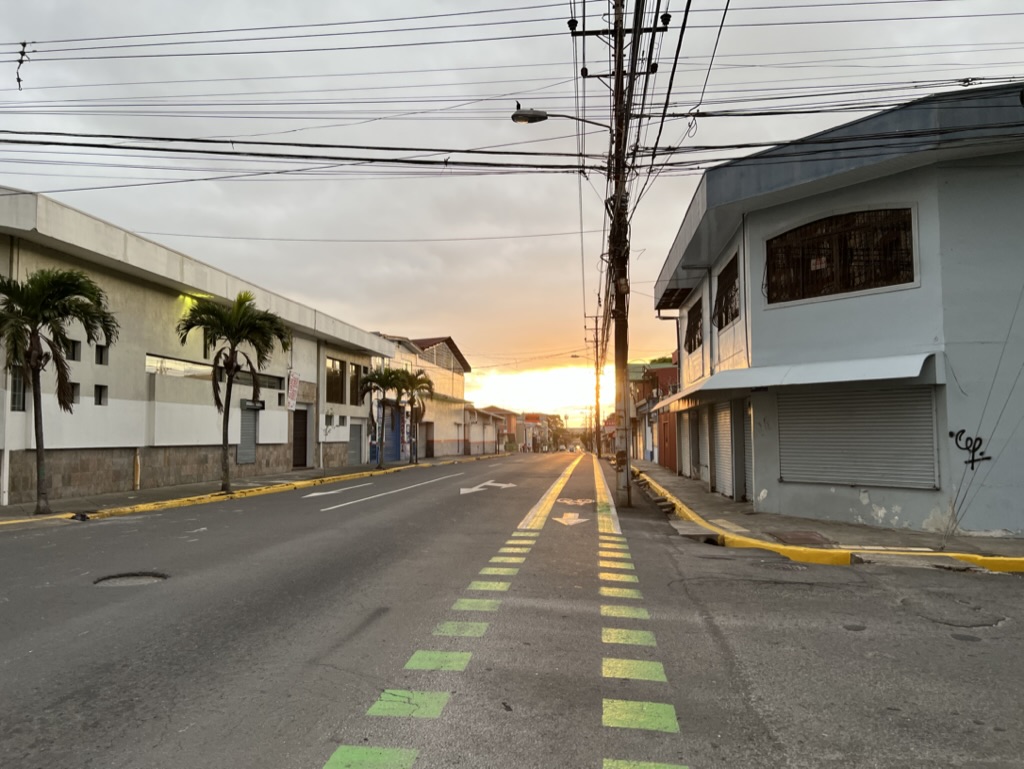
The completely deserted streets of San Jose.

When I arrived at my Hotel, the sun was already setting. I decided to take a quick walk around the area, but everything was eerily silent. Not a person to be heard, every shop closed. It became very clear very quickly that while Mexico City is a bit quieter during Semana Santa, San Jose is completely deserted. The only open restaurant I was able to find was a McDonalds, but at least I didn’t have to go to bed hungry. Before going to sleep, I bought another eSIM online, this time from “Liberty”. While not great, this worked most of the time while within the city proper.

On the next day, I went up early, since I wanted to visit one of the famous Butterfly Farms in the morning. After a twenty minute Uber drive through the deserted city, it of course turned out to be closed too.

From the closed farm, I went to the historic center of San Jose.

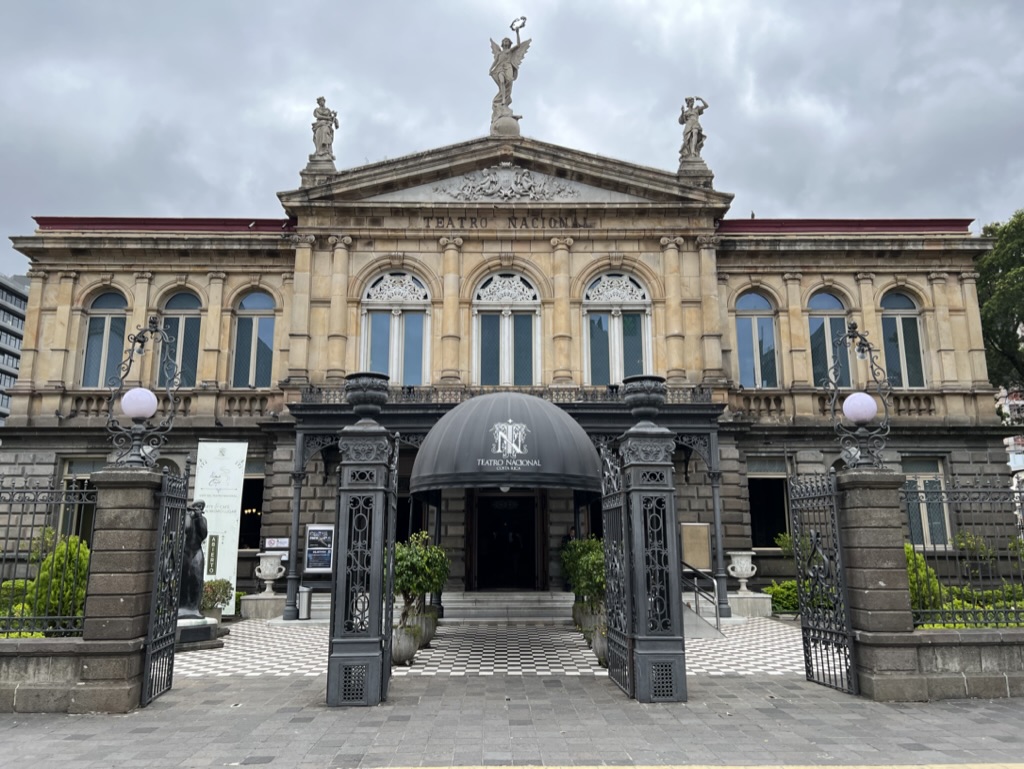
San Jose’s National Theater under a grey sky.

The weather was becoming worse by the hour, it was grey, windy and a bit rainy. In the city, every single shop was again closed and boarded up. The only people moving around were obviously homeless or trying to beg for money – not a beautiful sight! I actually was reminded of the lockdowns back during Covid.

At least I was able to see another easter procession, which reminded me a lot about my trip to Guatemala a few weeks ago. Although a lot less remarkable, it was good to be surrounded by people again.

After the procession was over and I went for a chai latte in the only Starbucks in downtown. Using the Starbucks WiFi, I started to research flights back to Mexico City the next day, and I was really contemplating booking. In the end, of course, it turned out lucky that I didn’t.

At 2pm, I took an Uber to the University of Costa Rica at which the “San Jose Bird and Sloth Watching” walking tour was to start. This tour turned out to be the highlight of the trip. Our guide, a former biology student of the University, was really knowledgeable and passionate about the different species of animals to be found in the area, and new exactly where to find the sloths!

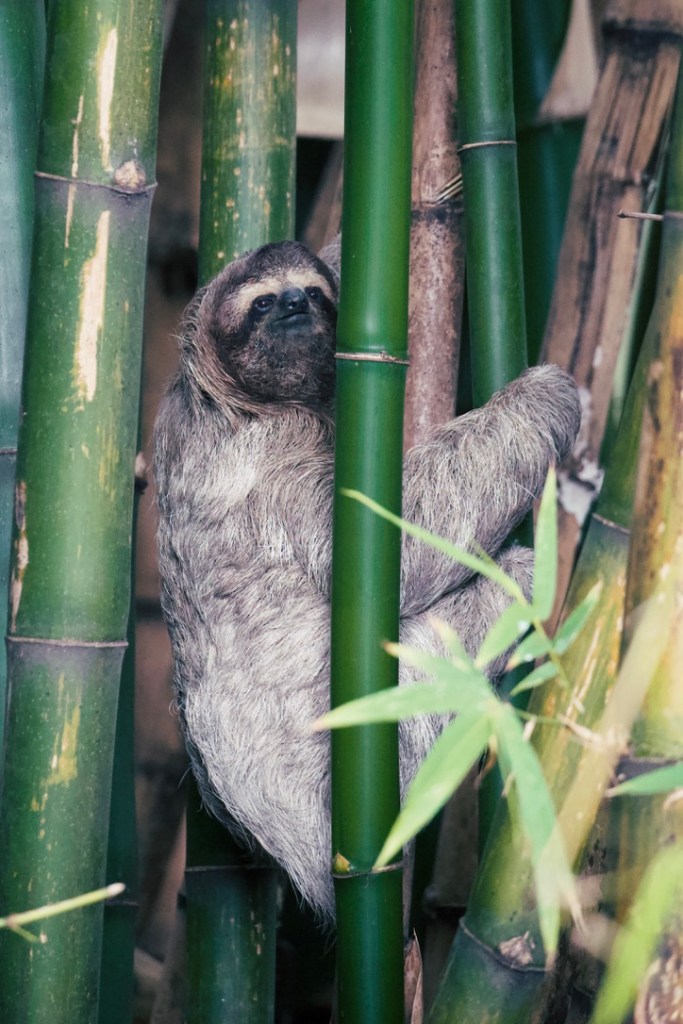
A free range sloth, feeling watched while pooping.

We turned out to be very lucky. Sloths spent most of their time sleeping, on average 15 hours per day, to conserve energy. Even more seldom they leave the treetops to come to the ground – only about every two weeks, and for the sole purpose of pooping. And we were able to witness exactly this majestic event. Seeing the sloth this closely was really a cool sight.

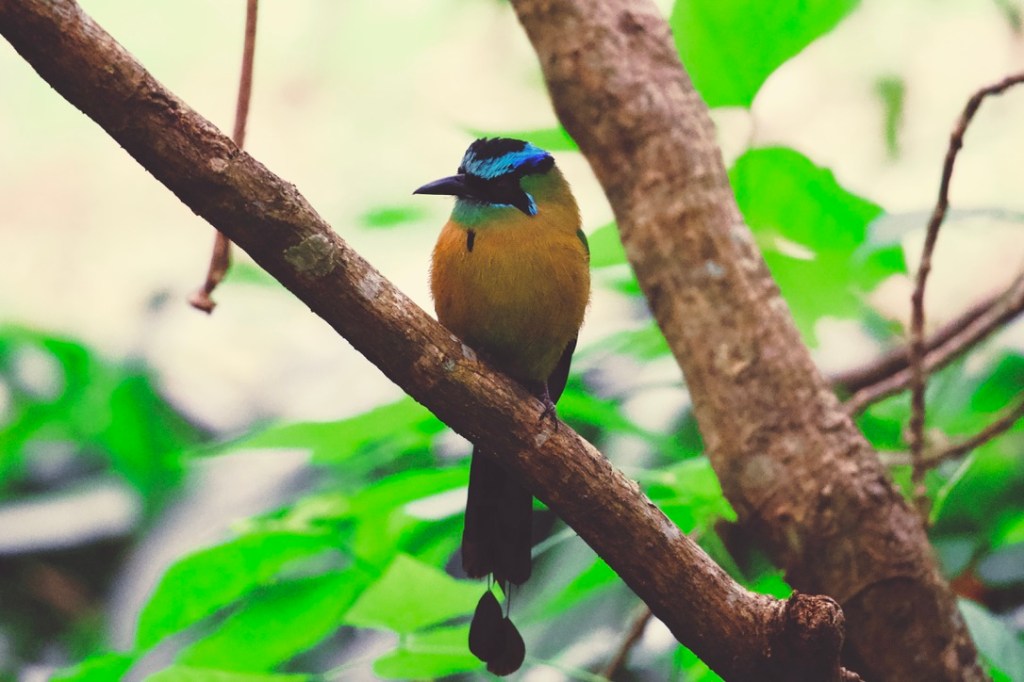
After our pooping sloth, we found another two sloths sleeping, as well as some pretty interesting birds.

Costa Ricas fauna is incredible. This is a bird I photographed in a park in the middle of the capital city…

I really enjoyed the tour and recommend it to everyone interested in nature (and if you’re not interested in nature, what are you doing in Costa Rica??).

After the tour, it started raining and I went back to the Hotel. Desperation lead me again in the direction of the McDonalds, but this time, even it was closed! But alas, I found a KFC a bit further away. At this point, I was really over eating fast food.

Continued in Part 2.

A Weekend in Guatemala (Part 2)

Find Part 1 of the story here.

For the second day in Guatemala, I initially had a tour to Antigua Guatemala booked, but that was canceled only a few hours before it was supposed to start. The *one* time I book a guided tour, and it’s canceled. So I was on my own, which turned out not to be a problem at all.

At around 9:00am, I called an Uber from my Hotel in Guatemala City’s “Zona 10”. Not two minutes later, the driver arrived and off we went. Here’s one word of warning: I was going on a Sunday, so there wasn’t too much traffic. It took us about 50 minutes from Guatemala City to Antigua, but a fellow travel that was going the day before during rush hour was forced to endure 2½ hours of stop-and-go traffic. So your milage might vary. Keep in mind that the price will also increase based on traffic – for me the cost was about 150 quetzales (20$US), for him it was about 30$US.

I actually enjoyed the ride quite a bit, the driver was very friendly, the streets mostly free and I liked the scenery of first Guatemala City and later on the wooded mountains.

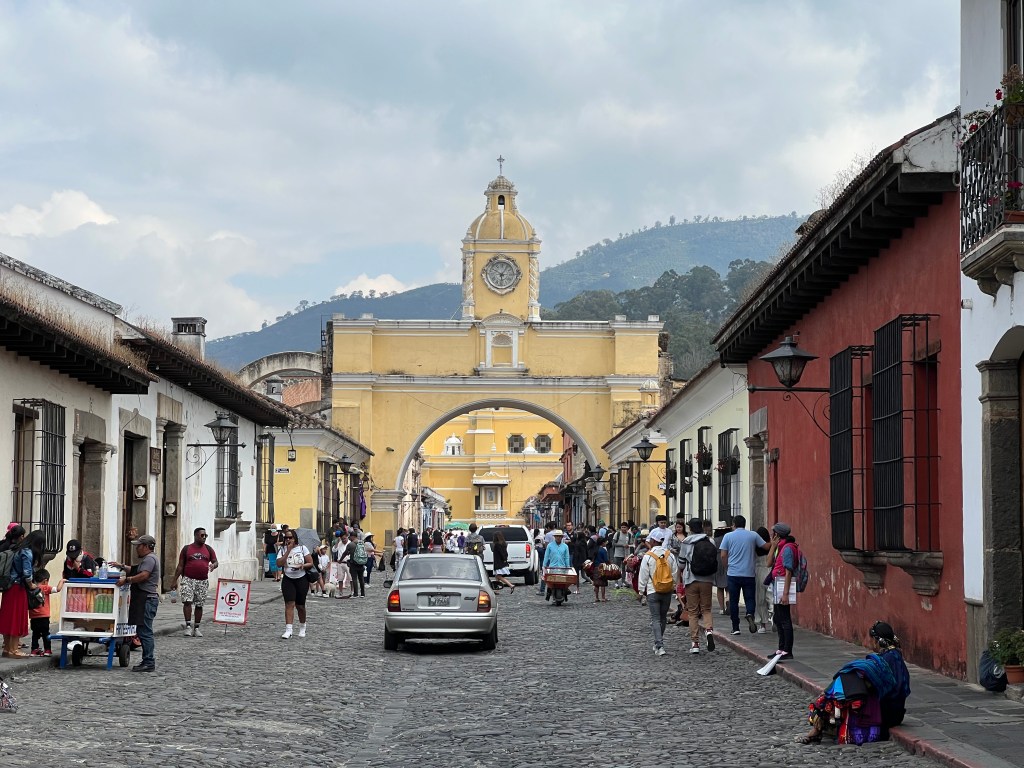
Beautiful Antigua Guatemala.

Some history – from 1543 through 1773, Antigua Guatemala was the capital of Guatemala, back when the Spanish were still the (mostly) undisputed rulers of the region. In the 18th century, the closest Volcano broke out and destroyed part of the city. This was deemed to be a “sign of god” that the city should be abandoned, and the capital was moved to where it is today, Guatemala City. During this time, the population of the city shrank from 60,000 at it’s peak to merely 9,000 people that were still living in the ruins of the former capital. Most of the still standing buildings fell more and more into disrepair. Only in the 20th century was the city “rediscovered” for it’s beautiful, mostly untouched baroque colonial architecture. Preservation and restoration efforts took place, and later on Antigua was declared a “UNESCO World Heritage” site, transforming it into the tourist magnet it is today.

The driver dropped me of at the “Plaza Mayor”, the big plaza that is the heart of Antigua. In retrospect, I should have asked him to drop me of at the outskirts of the city, since that would have saved us both the combination of traffic, questionable shock absorbers and cobble stone that we had to endure for about 15 minutes while we rode through the congested town center.

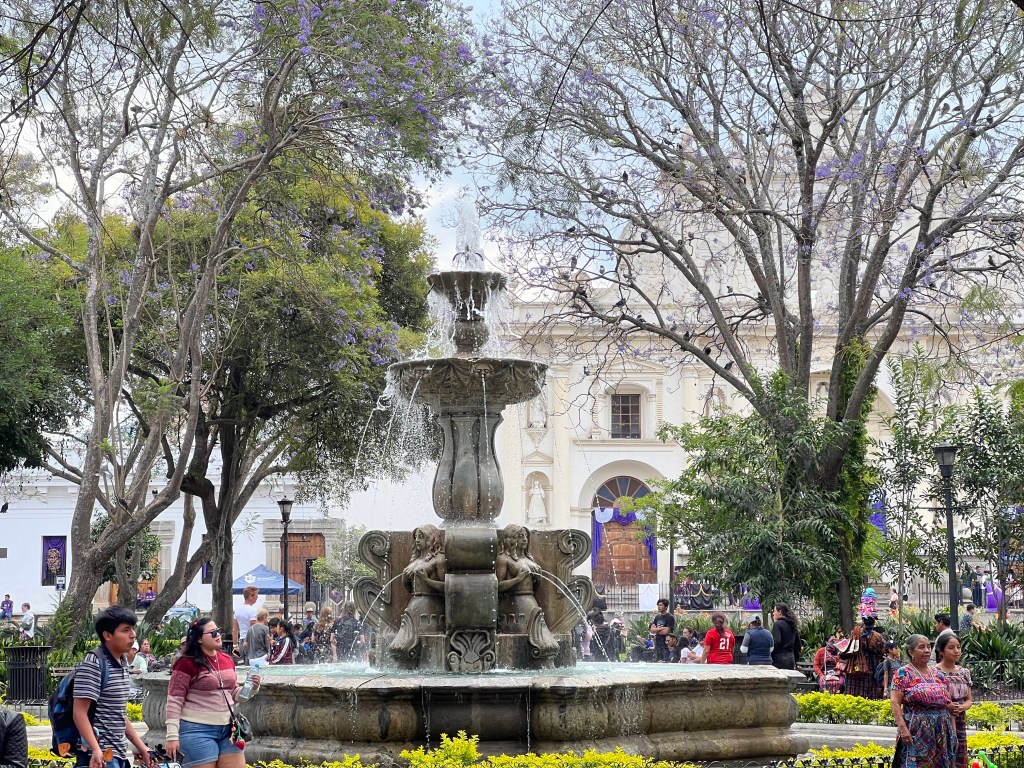
Antigua Guatemala’s central square. Note the position of the water nozzles on the female figures.

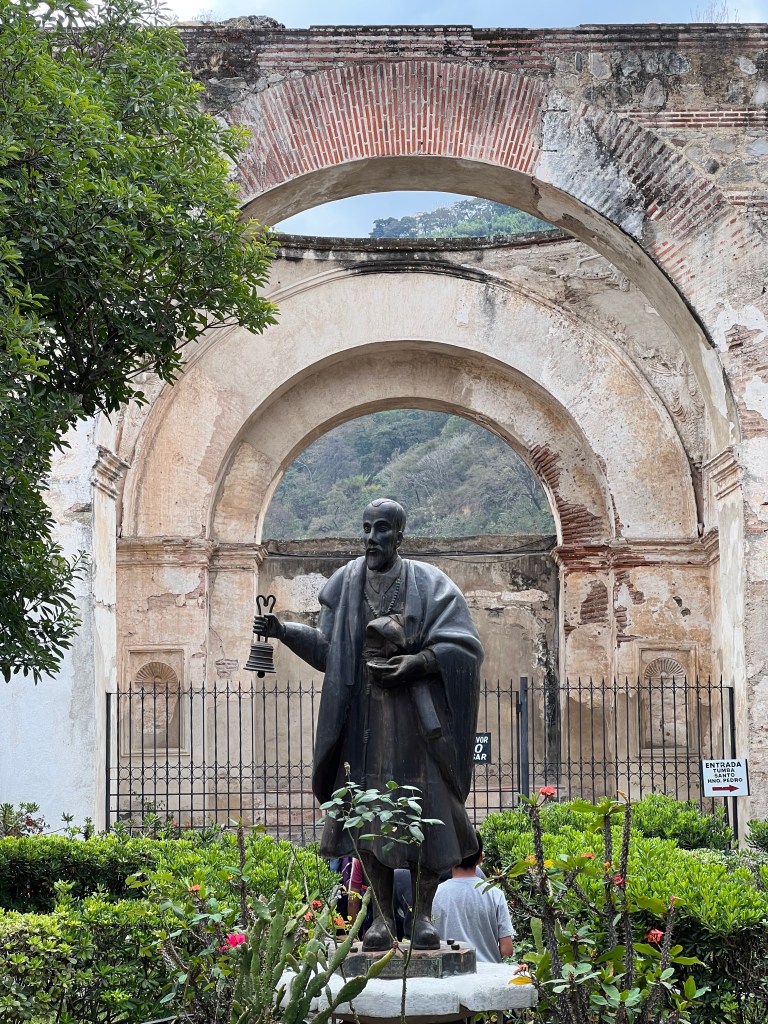
After the somewhat dreary Guatemala City, Antigua was a welcome change in scenery – a beautiful little park, quaint little streets with colorful houses, many old Spanish churches in various states of decay, mysterious ruins and a huge volcano lurking ominously above it all – Antigua is basically everything you expect when thinking “Central America” in one neat, walkable package (missing only a waterfall, but I’m sure you can find one if you’re really looking for it).

Antigua Guatemala’s most photographed street…

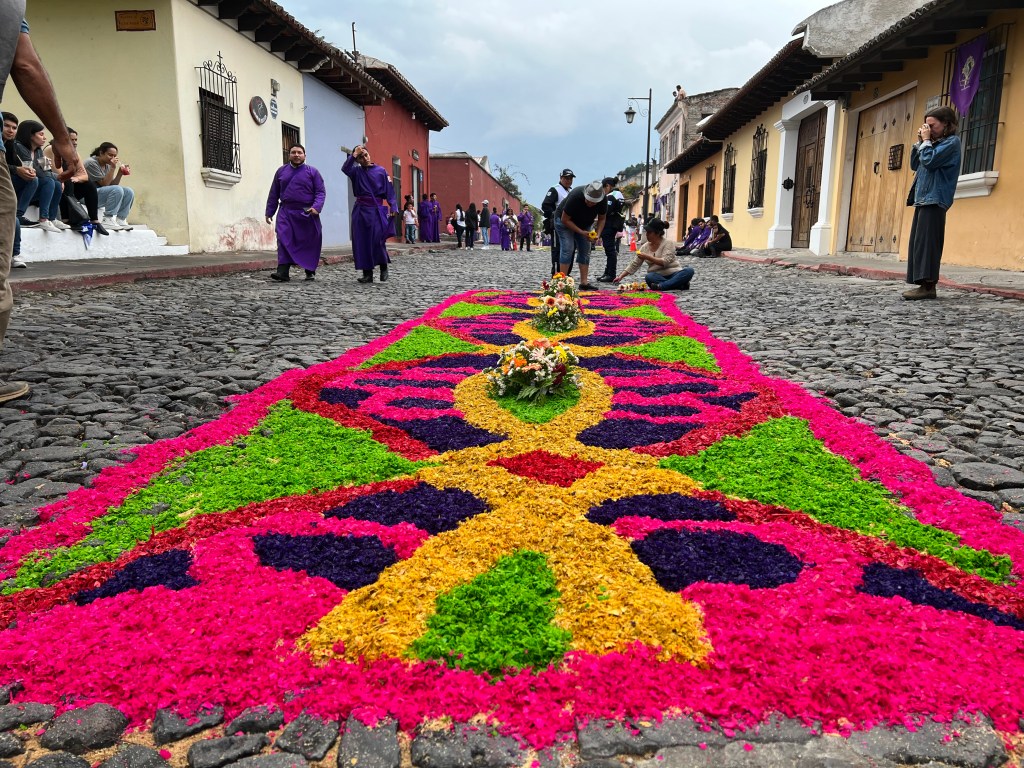
By the way, did you notice the purple decorations in the background in the pictures above? It turned out that, completely by accident, I went to Antigua on the day of one of the biggest Easter processions in the world! That meant that the whole city was decorated, and many of the women and young girls were dressed up in traditional, colorful Guatemalan clothing. That was really a sight to behold.

The street is prepared for the easter procession.

The locals decorated the streets that the procession would later walk through with “carpets” made from colorful sawdust. On the left, you can also see the first participants dressed in purple robes, as well as the ample tourists taking photos (on the right) 🙂

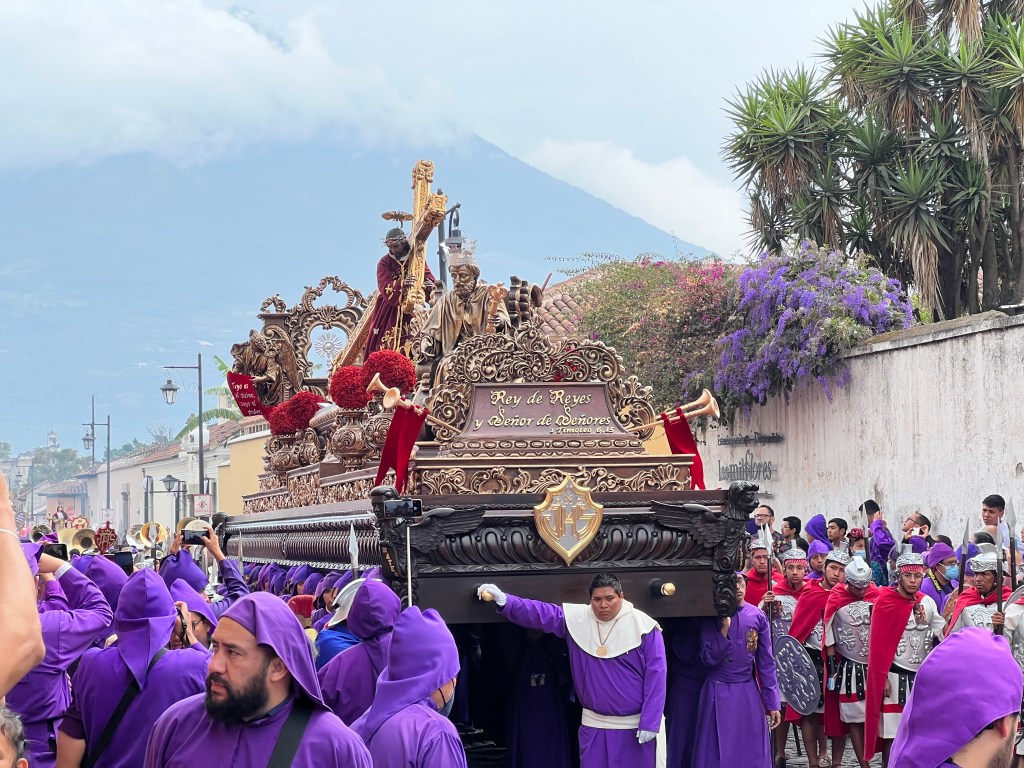
Jesus. And Romans. Lots of Romans.

The main event – the christian passion scene, including Romans and a brass band playing somber and low tempo music. I guess the death of Christ is an event where even in Latin America playing Reggaeton is considered inappropriate!

Note the large Mountain looming in the background – that’s the Volcán de Fuego, sadly that day covered in rain clouds. There’s also a very nice viewpoint on a small hill nearby, but sadly it started to rain so the view wasn’t that remarkable.

Late in the afternoon, I took an Uber back to Guatemala City. This time, there was a bit more traffic and it took us about 80 Minutes to get back. Unfortunately, I also experienced some problems with Uber – the first driver started the ride without actually picking me up and I had to open a dispute with Uber to return the resulting cost (which was thankfully resolved the next day). The Uber driver after that brought me home safely, but did not end the ride when he dropped me of – a common scam where the drivers try to take advantage of the fact that a longer ride might cost more than initially displayed. Luckily I checked after only 10 minutes or so and was able to cancel the ride so that no extra cost was billed. It shows that even when taking Uber, you’ll have to be alert to what is happening.

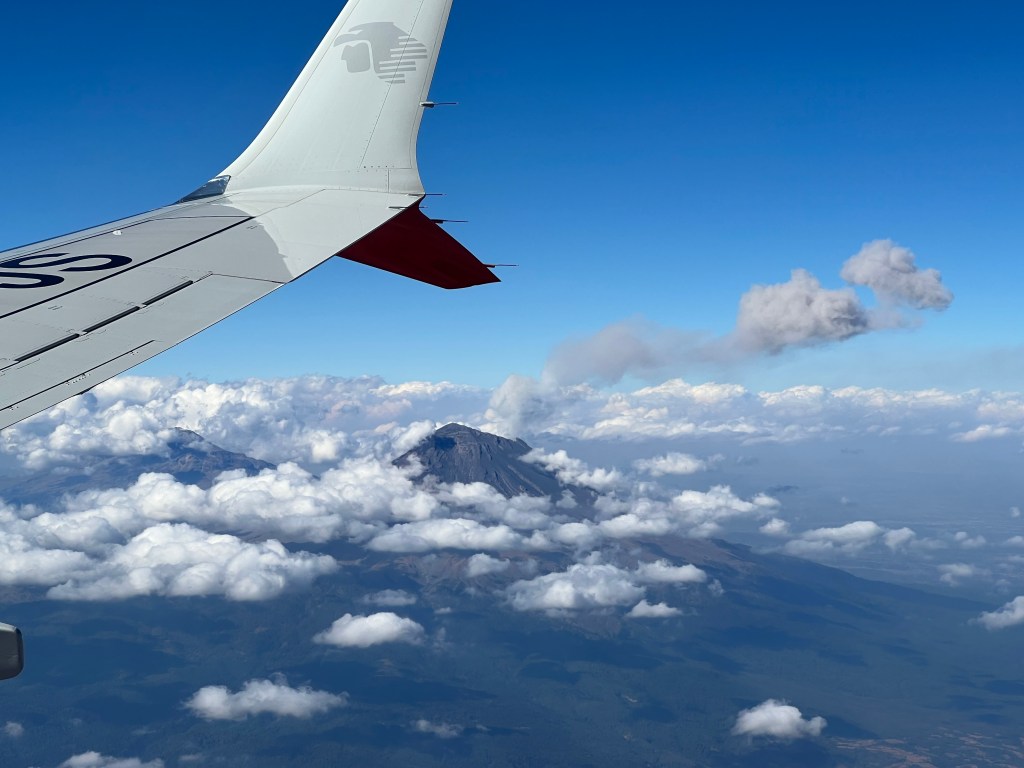
The next day, after exploring the “Zona 10” and it’s Malls and Starbucks a bit more, I was back on my way to Mexico City. As a bonus, I got a great view of the Volcano Popocatépetl from the plane while approaching MEX.

Volcano near to Mexico City.

This concludes the writeup of my weekend trip to Guatemala. In retrospect, it was one of the most fun tours I’ve done in the last few months, and it was a great way to get out of the City and see something new.

If you’re thinking about visiting Central America, I really recommend going to Guatemala and especially Antigua, even more so if you only have little time. I hope I will be able to return soon, since I feel there’s still a lot to explore in the Land of Vulcanoes!

A Weekend in Guatemala (Part 1)

This weekend was a long weekend in Mexico, and I didn’t want to stay home. Also, since I only had three days off, I needed a destination that’s close by and cheap to get to while still being different than Mexico City – and Guatemala fit the bill perfectly.

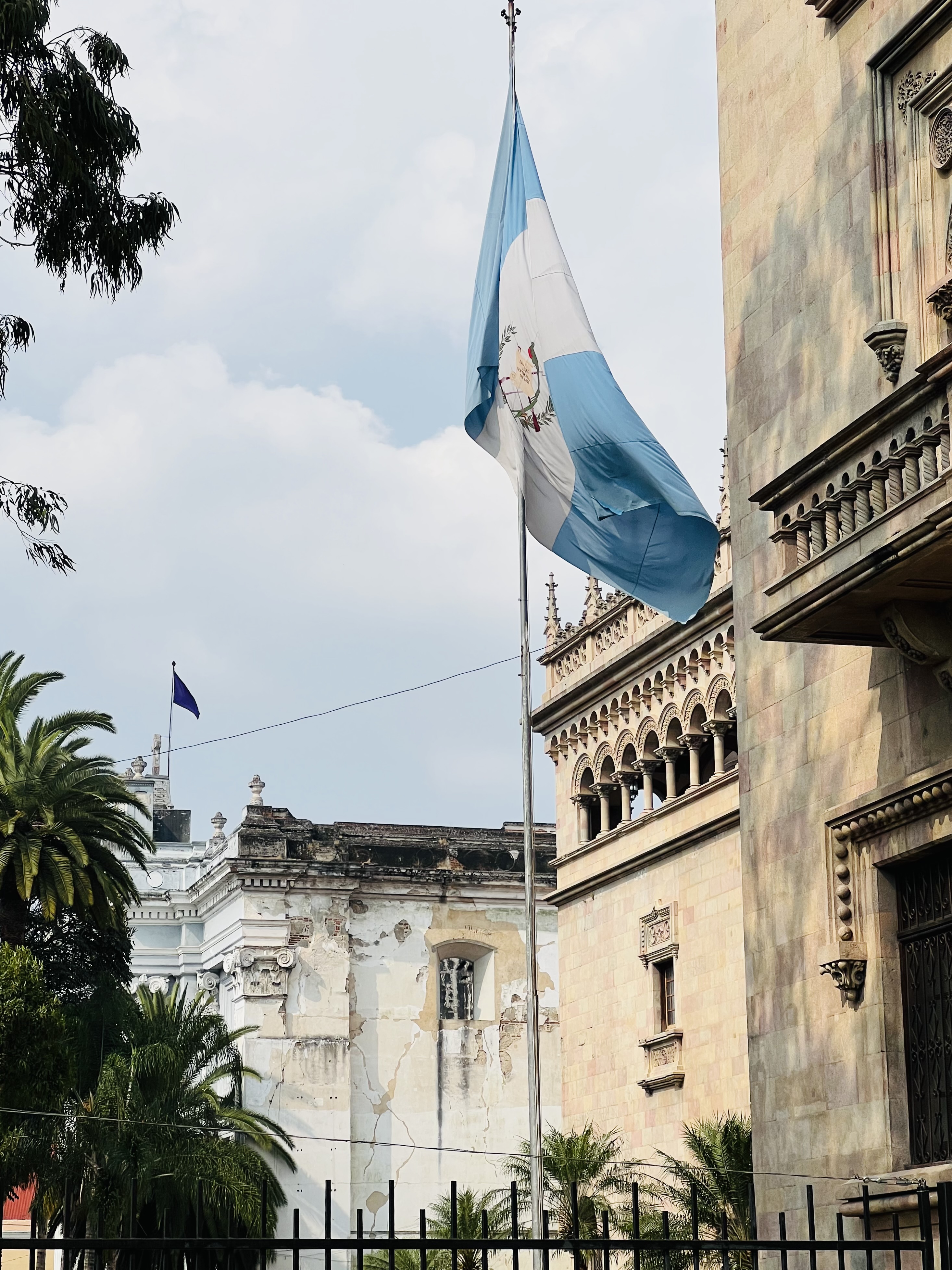
A cool, crumbling castle in the middle of Guatemala City.

Only about 1½ hours by plane from Mexico City, Guatemala is Meixco’s southern neighbor, and the entryway to Central America. With a population of only around 17 million, the whole country combined has less inhabitants than Mexico City! Accordingly, “Why are you going there, it’s the same as here, only smaller!” was the reaction of my Mexican colleagues. And indeed, Mexico and Guatemala are quite similar in Geography and Culture. The latter one is no wonder, since Guatemala was part of Mexico until they finally gained independence in 1821.

I was pleasantly surprised that, while similar, Guatemala had a quite distinct feeling when compared to Mexico.

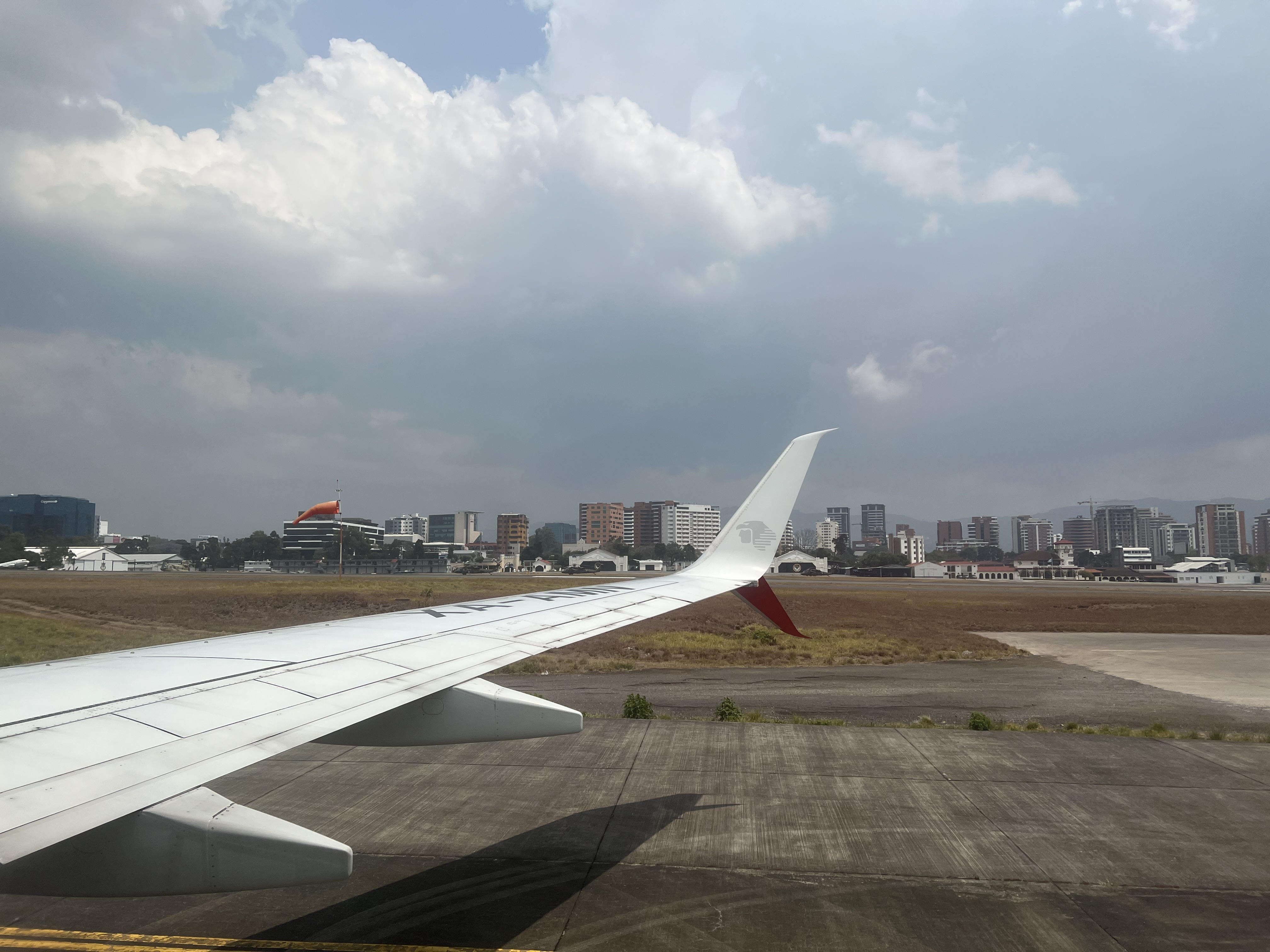
Guatemala City Airport.

Arriving at La Aurora International Aiport (GUA) is pretty spectacular. From the plane, you can see mountains and canyons with wild moutain streams, small winding roads and vulcanos. After the landing, there’s also a lot of interesting small planes and helicopters to see on the airfield (that are for sure not narco planes!). So I definitely recommend grabbing a window seat.

The airport itself is small, and including immigrations, I was out in maybe 30 minutes. Remember to bring a pen, since all arriving passengers need to fill out an immigration form.

Outside of the airport, you will be able to take either a Taxi or an Uber to get to Guatemala City or Antigua, the main tourist destinations.

Note that you will find a lot of “travel blogs” when researching to get around – and they will all say the same thing: Don’t take a Taxi (because it might be “dangerous”), don’t take an Uber (“it will be uncomfortable”), but there’s this great travel company that will take you there, and then they’ll all have an affiliate link to the same travel company. Don’t listen to them. It’s super easy to get an Uber, it’s comfortable, safe and pretty cheap. You don’t even need a SIM, a fellow traveler was just fine booking one using the Airport Wifi (although admittedly, having an eSIM prepared made things a lot easier). Additionally, there were a lot of Backpackers looking for shared rides to Antigua, if you want to save some bucks.

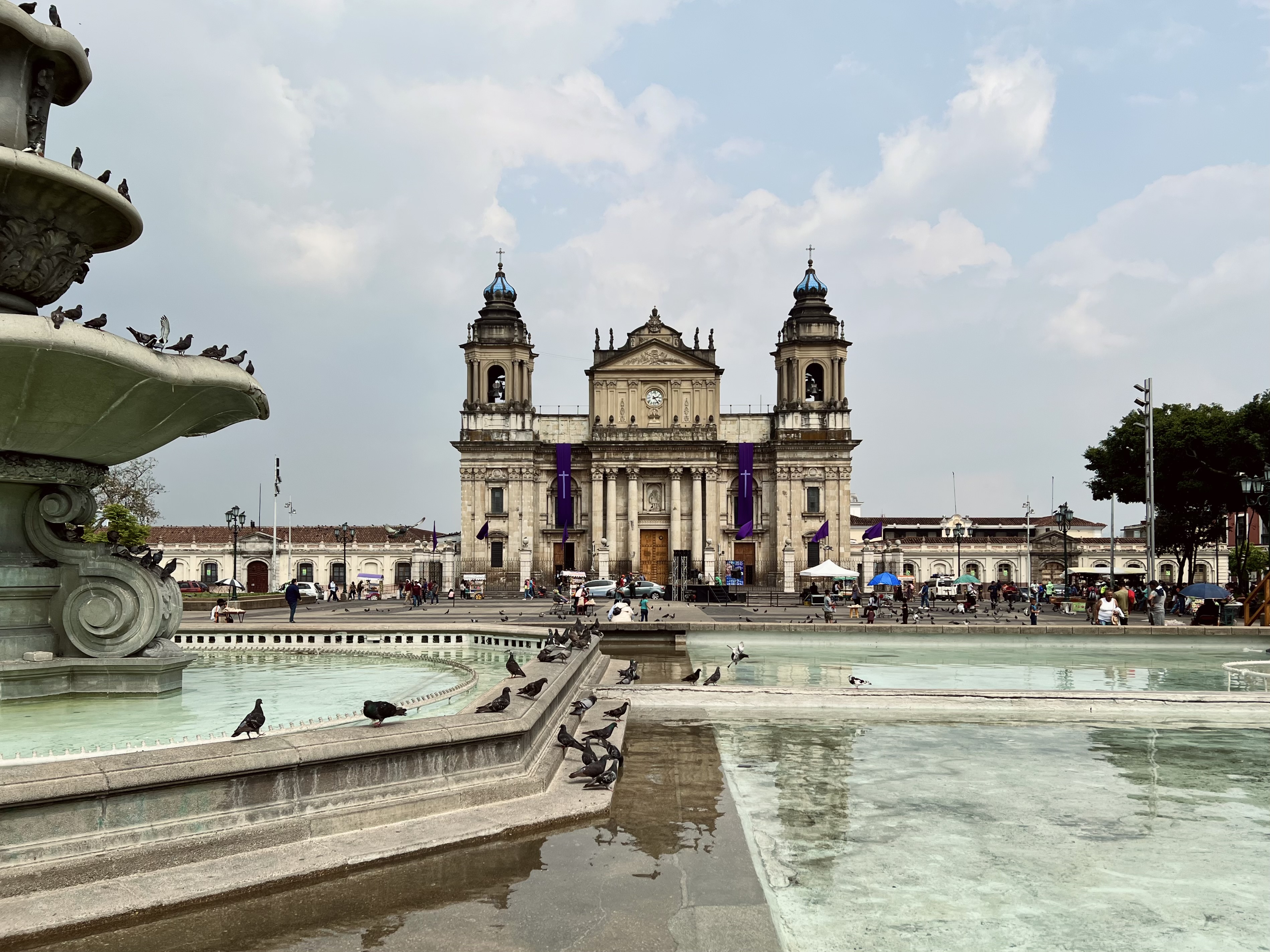
Guatemala City’s central square.

Since I didn’t have any time to lose, I took an Uber directly from the Airport to “La Sexta”, the central pedestrian and shopping district in the Centro Historico of Guatemala City. There was a lot of traffic at the time, but still it took us less than 30 minutes. The Uber cost about 40 Quetzales or about 5 $US.

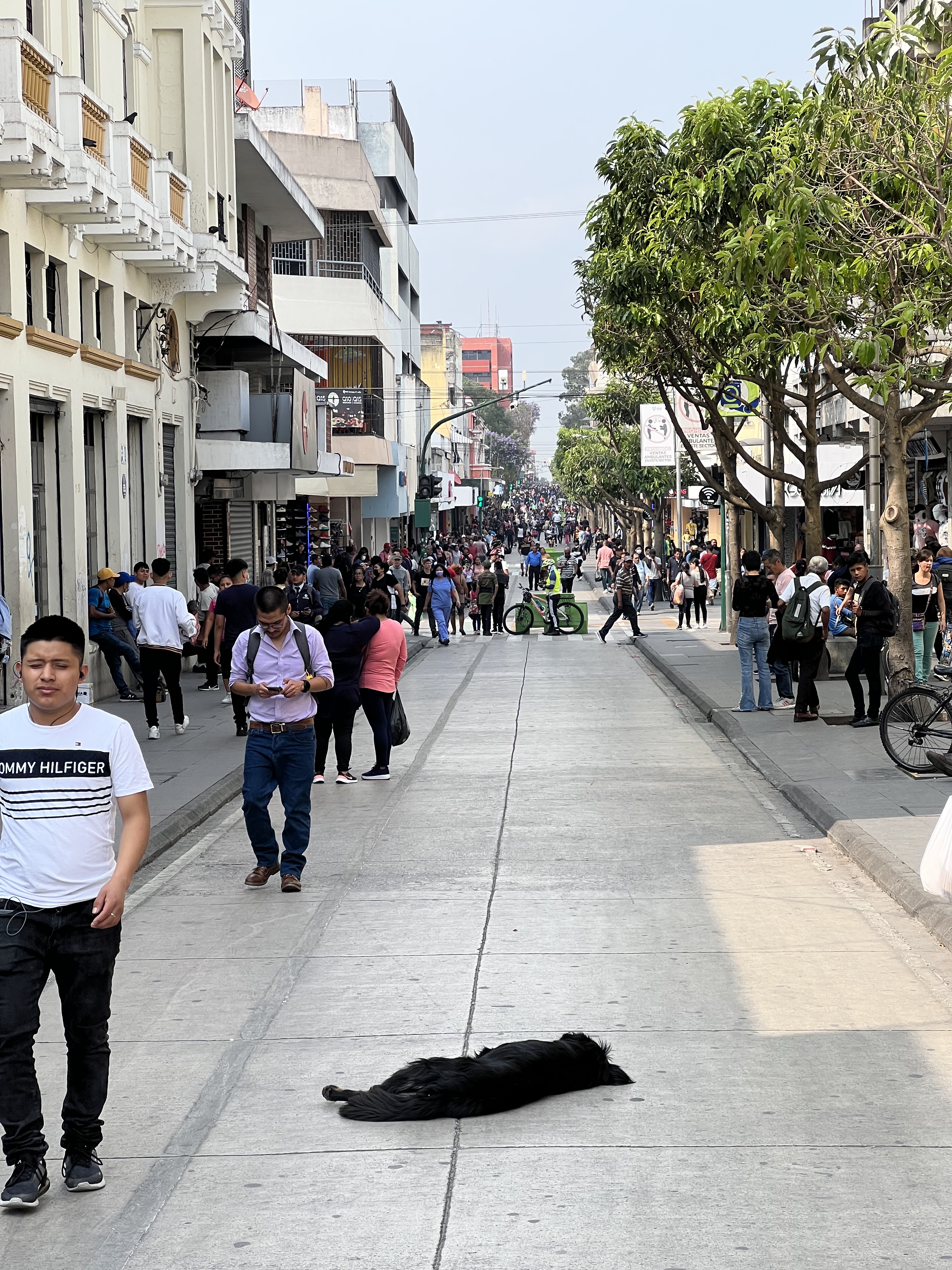
Walking up and down “La Sexta”, you will see most of the sights that Guatemala City has to offer, including the central square (photo above), the history Government palace, the Art-Deco “Edificio La Perla” as well as the beautiful Post Office Building.

A word on safety – again on many “travel blogs”, you will read that you should avoid the center (or Guatemala City in general for that matter). That was not my experience. As it was a Saturday afternoon, “La Sexta” felt extremely lively, there was music playing everywhere and families going shopping or just eating ice cream and enjoying the sun. Also there was Police and Security Guards everywhere. While you should be concerned about pick-pockets at any time, it felt very safe in general. Still I would not advise to go after dark (as for every Downtown in Latin America).

La sexta, the main shopping street.

If you are in the area, make sure you visit the “Mercado Central”, the central market. If it’s your first time in Latin America, you will be impressed by the many smells, sounds and sights. You should definitely try some of the exotic fruits and some of the food prepared in the many food stalls. Also have some of the fresh fruit juice if you can, chances are it will be some of the best you tried in your life.

When it started to get dark, I took an Uber to the “Zona 10”, the quater were you will find most of the more upscale hotels. The ride took about 20 min and cost 30 quetzales (3.80 $US).

The “Zona 10” is pretty convenient: It’s only about 10 min from the Airport, there’s lots of chain restaurants for late dining (McDonalds, Applebees, Papa Johns, Starbucks) and it’s reasonable safe. But it’s also extremely boring, there’s nothing to do except visiting some expensive Malls, and it’s very modern and anonymous. While it’s fine for a night, I wouldn’t stay there any longer than required.

Continued in Part 2.